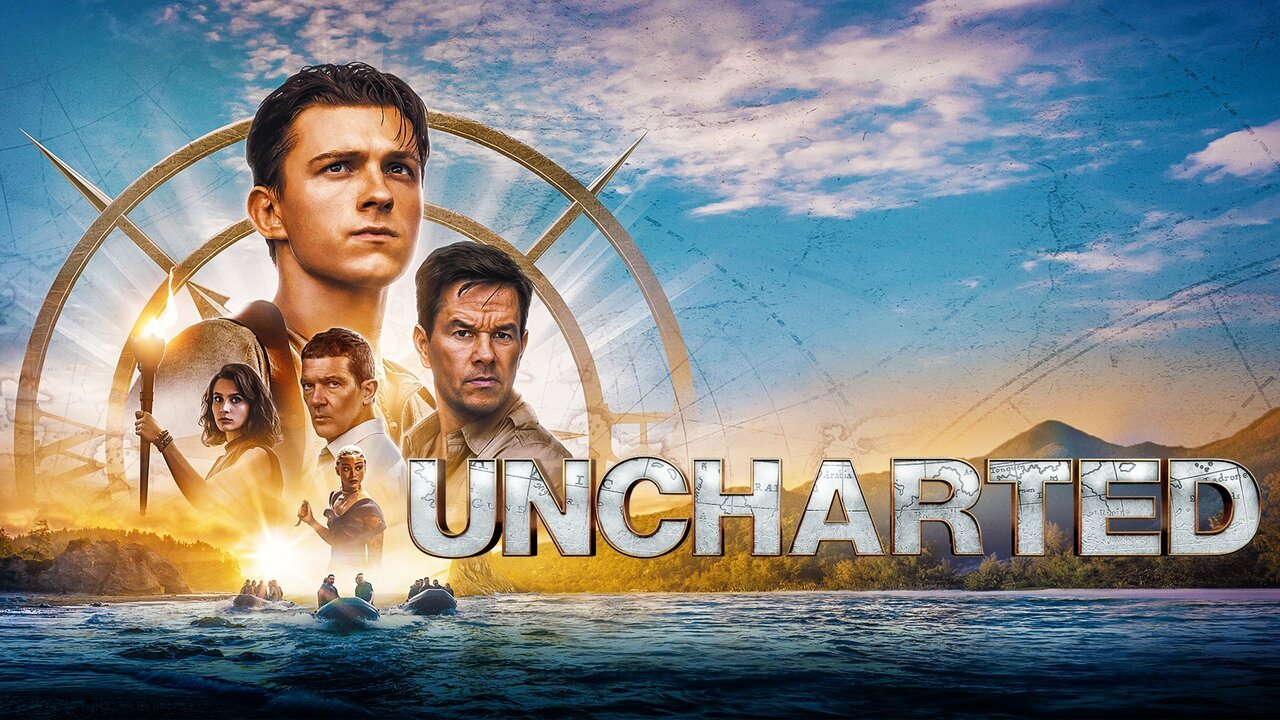
The Uncharted video game franchise has long been a beloved property among gamers, known for its thrilling action, captivating storytelling, and charismatic protagonist, Nathan Drake. For years, fans have eagerly awaited the prospect of seeing this adventurous treasure hunter brought to life on the silver screen. When the news broke that a live-action Uncharted film was finally in the works, excitement and anticipation reached a fever pitch. However, the end result, “Uncharted,” has left many fans and critics alike feeling disappointed and underwhelmed.
In this in-depth blog post, we’ll delve into the complexities of adapting a beloved video game franchise to the medium of film. We’ll explore the creative decisions made by the filmmakers, analyze the strengths and weaknesses of the final product, and discuss the importance of striking a balance between appealing to existing fans and introducing the franchise to a new audience.
Balancing Fanservice and Accessibility: The Challenges of Uncharted’s Adaptation
One of the primary challenges faced by the filmmakers of “Uncharted” was the need to strike a delicate balance between catering to the existing fanbase of the video game series and making the film accessible to a wider, uninitiated audience. As the video transcript mentions, “you can’t just look at it from the perspective of a fan of the games; you also need to present it to a different audience, an audience that may have never heard of Nathan Drake or Uncharted.”
This is a common dilemma faced by filmmakers adapting beloved properties from other mediums, such as books, comics, or video games. On one hand, they need to remain faithful to the source material and satisfy the expectations of the core fanbase. On the other hand, they must also create a film that can stand on its own and appeal to a broader audience who may not be familiar with the original work.
In the case of “Uncharted,” the filmmakers seem to have struggled to strike this balance. As the video transcript notes, the film “leaves much to be desired” for fans of the video game franchise, as it fails to capture the essence and spirit of the games. At the same time, it’s unclear whether the film truly succeeds in introducing the Uncharted universe to a new audience in a compelling and engaging way.
The Casting Conundrum: Navigating the Expectations of Fans
One of the most contentious aspects of “Uncharted” has been the casting of Tom Holland as the young Nathan Drake. As the video transcript points out, “it’s difficult to see Nathan Drake in him at this moment.” This sentiment is echoed by many fans who have grown accustomed to the rugged, charismatic portrayal of the character in the video games, as embodied by the voice and motion capture work of Nolan North.
The decision to cast a younger, less experienced actor in the lead role was likely a strategic one, aimed at establishing a new, long-term franchise for the studio. As the video transcript suggests, “the only possible answer is a franchise mindset, a long-term mindset, so that perhaps with a series of films, you can follow the maturation of Nathan Drake on the cinema screen.” However, this approach has not resonated with many fans, who feel that Tom Holland’s interpretation of the character lacks the depth and complexity that has made Nathan Drake such a beloved figure in the video game series.
The casting of Mark Wahlberg as Victor “Sully” Sullivan, Nathan’s mentor and father figure, has also been a point of contention. As the video transcript notes, “Sully not making sense at all, maybe in 2032 it would make sense, but in 2022 it’s completely out of character.” The mismatch between the actors and the established characters from the games has been a significant source of frustration for fans, who feel that the filmmakers have failed to capture the essence of these beloved characters.
The Action and Spectacle: Uncharted’s Cinematic Potential Unfulfilled
One of the key strengths of the Uncharted video game franchise has been its cinematic, action-packed set pieces and thrilling sequences of exploration and adventure. The games have consistently delivered breathtaking moments of high-stakes action, from scaling towering cliffs and navigating treacherous environments to engaging in intense gun battles and hand-to-hand combat.
Unfortunately, “Uncharted” falls short in this regard, as the video transcript points out. The film’s action sequences, while visually impressive, lack the dynamism and intensity that fans have come to expect from the Uncharted brand. As the transcript states, “the film really doesn’t feel like Uncharted. To be honest, if you’ve never heard of Uncharted, you might find here a good option for an adventure film in search of a lost treasure, but even that is not well-treated in terms of symbols, in terms of history.”
The lack of attention to the core elements that make Uncharted so compelling, such as the sense of exploration, the high-stakes action, and the camaraderie between the characters, is a significant shortcoming of the film. Fans who have immersed themselves in the video game series are likely to feel that the cinematic adaptation has failed to capture the essence of what made the games so engaging and thrilling.
The Missed Opportunity: Uncharted’s Potential for a Compelling Origin Story
One of the more promising aspects of “Uncharted” was the film’s attempt to explore the origins of Nathan Drake, presenting a younger version of the character played by Tom Holland. The video game series has always been rich in backstory and character development, and the prospect of delving into Nathan’s formative years and the events that shaped him into the adventurer we know and love held great potential.
However, as the video transcript suggests, the execution of this origin story falls flat, with Tom Holland’s portrayal of the character feeling “uninspired” and the overall arc of the film failing to resonate with fans. The transcript notes that the film’s “proposal for a kind of origin story that seeks a flashback” is not well-executed, and that the young Nathan Drake presented in the film “seems completely out of character.”
This missed opportunity is particularly disappointing, as the Uncharted franchise has always been praised for its compelling character development and the depth of its protagonists. The chance to explore Nathan Drake’s journey and the events that led him to become the iconic treasure hunter he is in the games could have been a powerful and engaging narrative hook for the film. Unfortunately, the filmmakers seem to have struggled to capture the essence of the character and deliver a satisfying origin story that would resonate with both new and existing fans.
The Villain Problem: Wasted Potential in the Antagonists
Another area where “Uncharted” falls short is in its handling of the antagonists. As the video transcript points out, the film’s “arc of antagonists is a complete waste.” The character of Santiago, played by Antonio Banderas, is described as “ridiculous” and “very poorly used,” a missed opportunity to create a compelling and formidable foe for Nathan Drake.
In the Uncharted video game series, the antagonists have often been complex, multifaceted characters who serve as worthy adversaries for the protagonist. They have their own motivations, backstories, and personal connections to Nathan Drake, adding depth and nuance to the overall narrative. However, in the film adaptation, the antagonists seem to be little more than one-dimensional plot devices, failing to capture the same level of depth and complexity that fans have come to expect from the franchise.
This is a significant shortcoming, as the Uncharted games have always been praised for their engaging and well-developed villains. The missed opportunity to create a truly compelling antagonist in the film adaptation is a disappointment, as it robs the story of the high-stakes drama and personal stakes that have been a hallmark of the video game series.
The Importance of Tone and Maturity: Uncharted’s Struggle with Rating and Violence
Another area where “Uncharted” falls short is in its handling of the franchise’s signature tone and level of maturity. As the video transcript notes, the film’s PG-13 rating in the United States has resulted in a significant toning down of the violence and intensity that fans have come to expect from the Uncharted games.
The video game series has always been known for its gritty, high-stakes action and the sense of real danger and consequence that permeates the narrative. The characters often find themselves in life-or-death situations, and the games have never shied away from depicting the violence and intensity of these encounters. This sense of danger and risk has been a crucial element in creating the thrilling, cinematic experience that has made the Uncharted games so beloved.
However, in the film adaptation, the need to maintain a PG-13 rating has resulted in a significant dilution of the franchise’s signature tone and maturity. As the video transcript states, “the excuse of the PG-13 rating in the United States is the most flimsy excuse you can find. If you can work with the limit of the PG-13 rating, you could bring a film at least a little closer to the experience of the game in terms of violence, in terms of risk.” Instead, the film “lowers the level of threat and combat and articulates some very weak jokes,” resulting in a tonal mismatch that fails to capture the essence of the Uncharted brand.
This is a significant missed opportunity, as the Uncharted franchise has always been praised for its ability to balance high-stakes action with compelling character development and a sense of real danger. By compromising on the tone and level of maturity in the film adaptation, the filmmakers have robbed the story of the intensity and excitement that fans have come to expect from the video game series.
The Bright Spot: Appreciating the 2018 Uncharted Short Film
While “Uncharted” has left many fans and critics disappointed, there is one bright spot that the video transcript highlights: the 2018 Uncharted short film, “A Thief’s End.”
As the transcript notes, this 15-minute short film is “better than the two hours presented by Sony.” The video description provides a link to the short film, which can be found on YouTube. The transcript praises the short film for its “better establishment of the idea and better use of the game’s memory,” suggesting that it captures the essence of the Uncharted franchise in a more compelling and faithful manner than the feature-length film adaptation.
This recommendation of the 2018 Uncharted short film is a valuable insight for fans who may be feeling let down by the “Uncharted” film. It suggests that there are other creative interpretations of the Uncharted universe that may better resonate with the core fanbase, and that the short film format may be a more effective medium for adapting the franchise to the screen.
The Missed Opportunity and the Path Forward
In the end, “Uncharted” stands as a missed opportunity to bring the beloved video game franchise to the big screen. While the film may offer some entertainment value for casual viewers, it fails to capture the essence of what makes Uncharted so beloved among its core fanbase.
The challenges of adapting a beloved property like Uncharted are significant, requiring a delicate balance between satisfying existing fans and introducing the franchise to new audiences. The filmmakers’ struggles with casting, action sequences, character development, and tone have resulted in a final product that falls short of the high bar set by the video game series.
However, the video transcript’s recommendation of the 2018 Uncharted short film suggests that there is still hope for the franchise’s cinematic future. Perhaps a more focused, character-driven approach, with a greater emphasis on the franchise’s signature tone and maturity, could be the key to unlocking the full potential of Uncharted on the big screen.
Ultimately, the disappointment surrounding “Uncharted” serves as a cautionary tale for filmmakers tasked with adapting beloved properties. It’s a reminder that staying true to the core essence of a franchise, while also making it accessible to new audiences, is a delicate balancing act that requires a deep understanding and reverence for the source material. As the Uncharted franchise continues to evolve, both in video game and cinematic form, fans can only hope that future adaptations will learn from the missteps of this film and deliver the thrilling, cinematic experience that they have come to expect.
About the Author