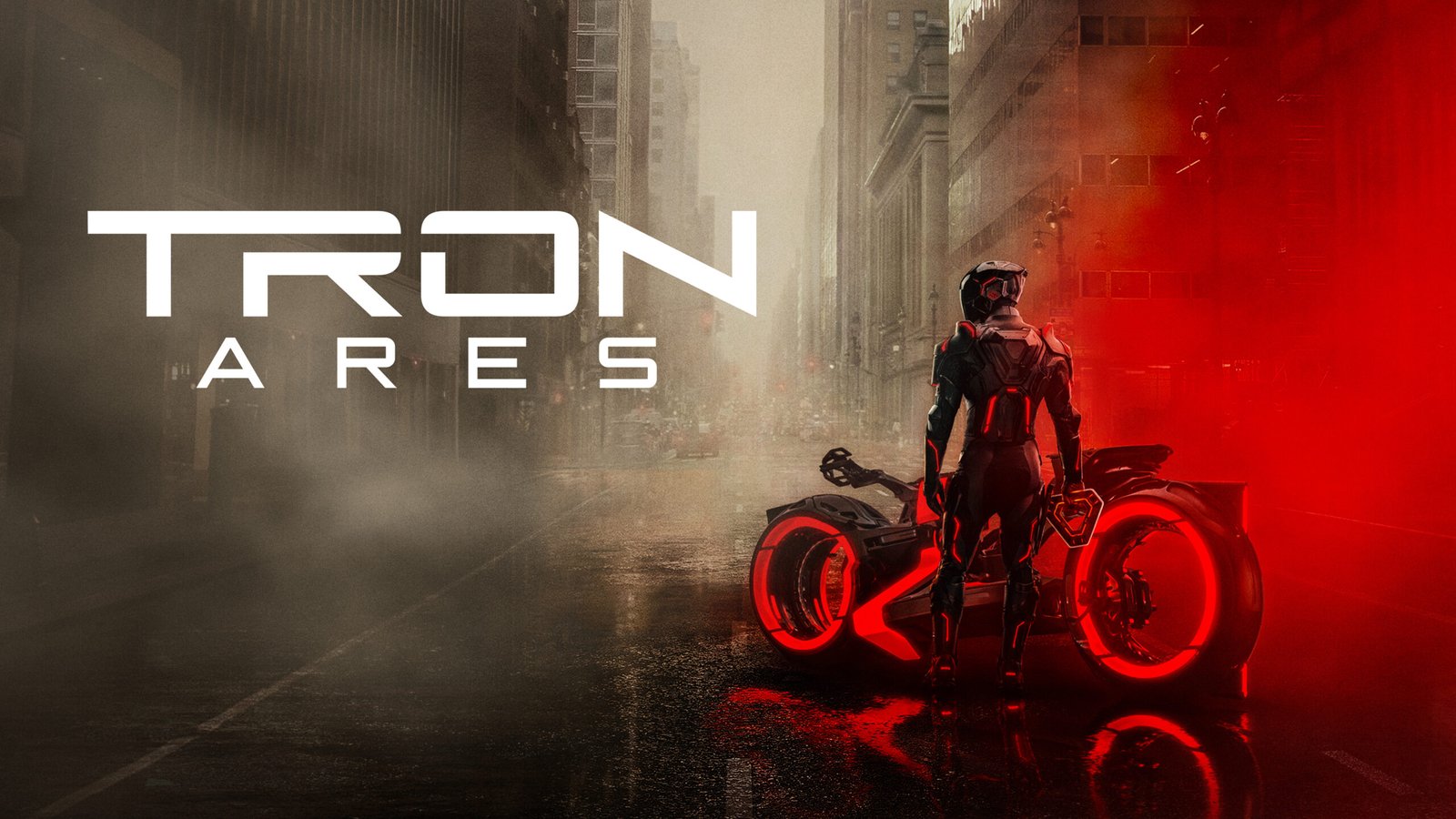
The Tron franchise has long held a special place in the hearts of sci-fi enthusiasts, with the original 1982 film establishing a unique visual style and exploring themes of technology, identity, and the human experience. However, the latest installment, Tron: Ares, directed by Joachim Rønning, fails to capture the magic of its predecessors, instead falling victim to a nostalgia trap and a missed opportunity to engage with the pressing issues of our time.
From the outset, Tron: Ares seems to be torn between two competing impulses: the desire to recapture the retro-futuristic aesthetic of the original Tron and the ambition to tackle contemporary themes of artificial intelligence, automation, and the impact of technology on society. Unfortunately, the film never quite manages to strike the right balance, resulting in a disjointed and ultimately unsatisfying experience.
The Casting Conundrum: Jared Leto’s Miscast Performance
One of the most glaring issues with Tron: Ares is the casting of Jared Leto in the lead role of Ares, the AI protagonist. Leto, known for his versatility as an actor, simply does not have the range or the emotional depth to convincingly portray a character grappling with the complexities of consciousness and the search for understanding human emotions.
Ares should have started off as a cold, machine-like entity and gradually developed a sense of self and emotional awareness. Instead, Leto’s performance oscillates between a forced attempt at humanization and a detached, robotic demeanor, never quite finding the nuance and subtlety required to make the character’s journey believable.
The lack of chemistry between Leto and his co-star, Greta Lee, who plays the rival CEO Evin, further compounds the issue, leaving the central conflict and emotional core of the film feeling hollow and underdeveloped.
Missed Opportunities: Tron: Ares and the Failure to Engage with Contemporary Themes
One of the most disappointing aspects of Tron: Ares is its failure to fully engage with the pressing issues of our time. It had the potential to explore contemporary anxieties surrounding automation, misinformation, computational surveillance, and the impact of technology on the workforce.
Instead, the film opts for a “shallow fable” about a robot who likes the rain and music, relegating these important themes to the background or leaving them for the audience to ponder on their own. This is a missed opportunity, as the Tron franchise has always been well-positioned to tackle these complex issues, given its focus on the intersection of technology and the human experience.
The Nostalgia Trap: Tron: Ares and the Struggle to Balance Past and Present
One of the key challenges faced by Tron: Ares is its attempt to balance the nostalgia of the original Tron with the need to move the franchise forward. The film is plagued by “temporal anxiety,” constantly oscillating between the retro-futuristic aesthetic of the 1980s and the desire to present a more contemporary vision of the future.
This struggle is evident in the film’s visual style, which incorporates constant references to the original Tron, from the iconic neon-lit grid to the sleek, angular costumes. While these elements may appeal to longtime fans, they also serve to undermine the film’s attempts to establish a distinct identity and a sense of progression within the Tron universe.
Furthermore, the inclusion of a “forced” cameo appearance from a character from the previous Tron film only serves to further reinforce the sense that Tron: Ares is more interested in pandering to nostalgia than in forging its own path.
The Saving Grace: The Exceptional Soundtrack
Amidst the film’s shortcomings, there is one element that stands out as a true highlight: the exceptional soundtrack composed by Trent Reznor and Atticus Ross. The industrial-tinged score perfectly captures the “technological paranoia” that should permeate a Tron film, creating a sense of unease and tension that the visuals and narrative often fail to deliver.
The soundtrack’s ability to establish a distinct sonic identity for Tron: Ares is a testament to the skill and vision of Reznor and Ross, who have become renowned for their ability to craft atmospheric and emotionally resonant scores. In a film that struggles to find its footing, the soundtrack serves as a constant reminder of the potential that Tron: Ares could have realized.
The Bigger Picture: Tron and the Future of Franchise Filmmaking
Tron: Ares is not just a disappointment for fans of the Tron franchise; it also speaks to a broader issue in the world of franchise filmmaking. The Disney-backed production seems to be more concerned with establishing a long-term franchise than with crafting a cohesive and compelling narrative.
This approach, which prioritizes the creation of a shared universe over the development of individual stories, often leads to films that feel like hollow exercises in brand-building, rather than genuine artistic expressions. Tron: Ares is a prime example of this, with its reliance on nostalgia, its superficial engagement with contemporary themes, and its apparent disinterest in creating a meaningful, standalone experience.
In a landscape dominated by franchise filmmaking, it is crucial that studios and filmmakers find a way to balance the commercial imperatives of building a successful franchise with the creative and artistic demands of crafting a compelling and meaningful story. Tron: Ares serves as a cautionary tale, a reminder that the pursuit of a long-term franchise should never come at the expense of the film’s core narrative and thematic integrity.
A Missed Opportunity and a Cautionary Tale
Tron: Ares is a disappointing entry in the Tron franchise, one that fails to capture the magic of its predecessors and instead falls victim to a nostalgia trap and a missed opportunity to engage with the pressing issues of our time. The miscast performance of Jared Leto, the film’s struggle to balance past and present, and its apparent disinterest in exploring the deeper implications of its themes all contribute to a viewing experience that is ultimately unsatisfying.
However, the film’s exceptional soundtrack, composed by Trent Reznor and Atticus Ross, serves as a bright spot, a reminder of the potential that Tron: Ares could have realized. Moreover, the film’s shortcomings speak to a broader issue in the world of franchise filmmaking, where the pursuit of a long-term shared universe often comes at the expense of the individual film’s narrative and thematic integrity.
As audiences and critics, we must continue to demand more from the films we watch, pushing studios and filmmakers to strike a balance between commercial success and artistic expression. Tron: Ares may be a disappointment, but it also serves as a cautionary tale, a reminder that the true power of cinema lies in its ability to engage, challenge, and inspire us, rather than simply to entertain us.
Explore More Tron Content
Check out my YouTube channel for exclusive content and behind-the-scenes insights.
Follow me on Instagram for the latest updates and discussions.
Connect with me on X (Twitter) for real-time conversations about film and pop culture.
About the Author




1 thought on “Tron: Ares Review – A Nostalgic Misfire with Bright Music”