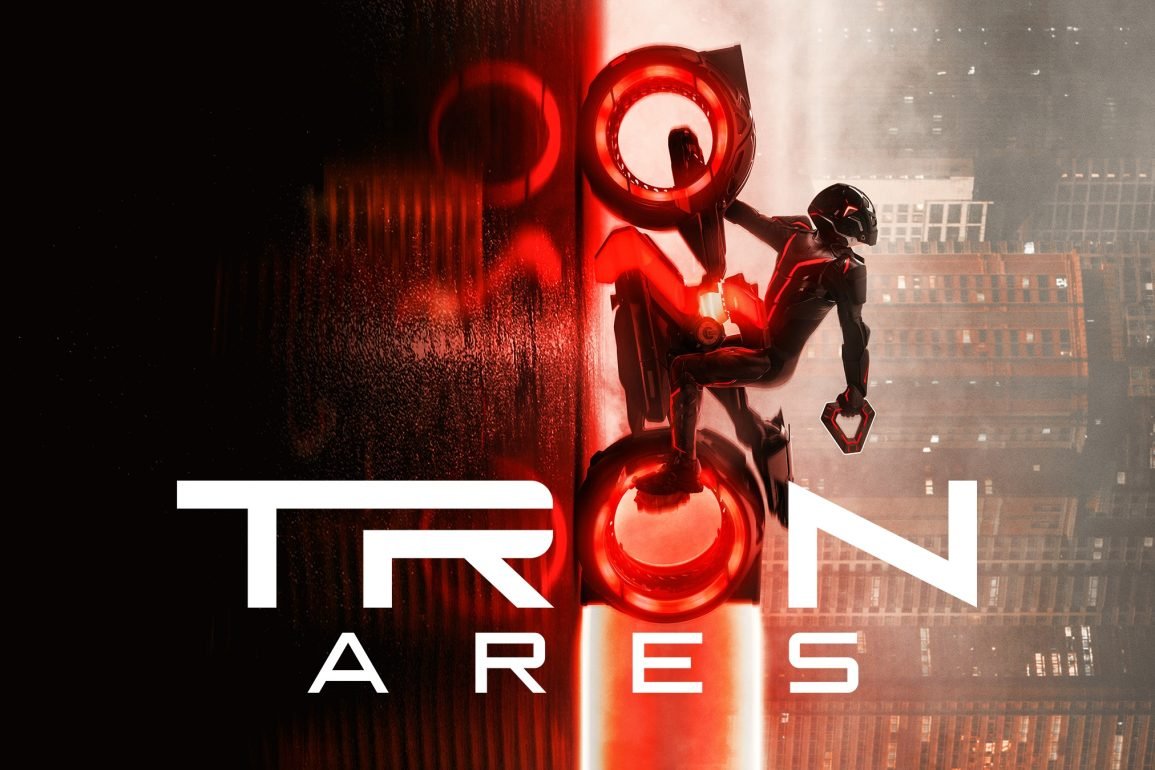
The Tron franchise has always been a peculiar one, with a history of box office failures and mixed critical reception, yet it has managed to maintain a dedicated fanbase that keeps bringing the series back to life. Tron: Ares, the latest installment in the franchise, is no exception. While the film boasts some of the most impressive visual effects and a captivating soundtrack, it struggles to fully capture the essence of what made the previous Tron films so beloved.
A Technological Spectacle with a Familiar Tron Flair
One of the standout aspects of Tron: Ares is its technical prowess. The film’s visual effects are nothing short of stunning, with the CGI being practically flawless. The CGI of the film is practically perfect, it’s extremely solid. This level of technical excellence is a testament to the advancements in visual effects technology since the previous Tron films.
However, the film’s visual style is not as distinctive as its predecessors. While the CGI is undoubtedly impressive, the majority of the film takes place in a dark, realistic city setting, which doesn’t quite capture the same sense of visual flair that made the original Tron and Tron: Legacy so memorable. The decision to set the majority of the film in a dark city, as I’ve already mentioned, doesn’t allow Ares to stand out from the many other blockbusters that have exactly the same type of setting.
That said, there are moments in Tron: Ares that do manage to recapture the iconic Tron aesthetic. The content creator highlights a specific sequence where the film “revisits something from the past, where we have the designs, the colors, the soundtrack, the music. And it’s a beautiful moment, it’s a moment of exaltation of that world, of exaltation of Tron. It’s something that celebrates the Tron fans themselves.”
This homage to the original Tron film is a clear indication that the filmmakers understand the importance of the franchise’s visual identity and the emotional connection it has with the fans. It’s a moment that reminds us why the Tron universe has endured for so long, despite its commercial struggles.
The Soundtrack: A Tron Staple Elevated to New Heights
Another standout element of Tron: Ares is its soundtrack, which the content creator believes may be the best in the franchise to date. The decision to bring in Nine Inch Nails to compose the score was a bold one, and it has paid off tremendously.
The soundtrack of Ares perhaps is the best in the franchise, with Nine Inch Nails probably surpassing Daft Punk when it comes to setting the tone for the fight scenes and, especially, the chase scenes. The Nine Inch Nails, which I’ll call Nin from now on, really delivered and sonically, for me, it’s the high point of the franchise so far.
The aggressive, synth-heavy sound of the Nine Inch Nails score perfectly complements the high-stakes, adrenaline-fueled moments in the film. I’d like to emphasize the importance of watching Tron: Ares with the best sound quality possible, as this will make a huge difference in the quality of the experience. If you can watch it in a theater, even better, because the visuals and music are even better when seen on the big screen.
This focus on the audio-visual experience is a hallmark of the Tron franchise, and Tron: Ares continues that tradition. My recommendation to prioritize the film’s soundtrack and visual presentation is a testament to the importance of these elements in creating the immersive Tron experience fans expect.
Navigating the Tron Legacy: Ares as a Soft Reboot
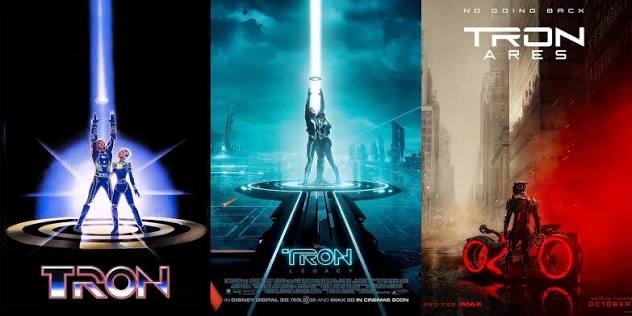
One of the main points I’ve made about Tron: Ares is that it’s not a direct sequel to Tron: Legacy, but rather a “soft reboot” closer to the original 1982 Tron film. This decision has implications for how the film will be received by different types of Tron fans.
If you’re a fan of Legacy, the characters, the story, the world, and you want to see a specific continuation of that, I think Ares won’t be a good experience, it will be disappointing. However, if you like the aesthetics of Legacy, what it did, the themes, the proposal, Tron: Ares continues exactly in the same line.
This distinction is important for fans to understand, as it sets the expectations for what Tron: Ares is trying to achieve. Rather than directly continuing the narrative of Tron: Legacy, the film is more focused on celebrating the overall Tron legacy, with a particular emphasis on the original 1982 film.
This approach may be influenced by the involvement of Jared Leto, the film’s producer, who is clearly a big Tron fan, but it seems he’s the kind of fan who wants to insert himself into the story and become the main character. This could explain why Tron: Ares feels somewhat disconnected from the events of Tron: Legacy, as the filmmakers may have been more interested in establishing a new protagonist and narrative arc.
Ultimately, the success of Tron: Ares for individual fans will depend on their expectations and preferences within the Tron franchise. Those who are primarily interested in the continued story and characters of Tron: Legacy may be disappointed, while fans who appreciate the overall Tron aesthetic and themes may find more to enjoy in this latest installment.
Embracing the Tron Ethos: A Celebration of the Human Experience
Despite its technical and narrative shortcomings, I believe that Tron: Ares manages to capture the essence of what makes the Tron franchise so compelling. At its core, the film is not about the technology itself, but rather the human experience and the importance of living a genuine, authentic life.
Tron: Ares is basically about Jean Baudrillard’s quote. We live in a world with ever more information and ever less meaning. And it’s about how there’s nothing more important than living life for yourself, knowing the world for yourself, with your own eyes, touching, feeling, smelling. Seeing what’s really out there, not just what people say is out there.
This theme of rejecting the digital simulation in favor of authentic, embodied experience is explored through the arcs of multiple characters in Tron: Ares.
Life is made up of real emotions, real feelings, complex and simple, negative and positive. And nothing—not trauma, not your upbringing, not your programming—can take that away from you. You shouldn’t settle for the programming you’ve been given, but for the purposes you desire.
This message of embracing one’s humanity, with all its flaws and complexities, is a core tenet of the Tron franchise, and Tron: Ares continues to explore that idea in a way that resonates with what I’ve said.
I want to highlight a scene in which a character expresses his preference for the simplicity and emotional connection of a 1980s pop band over the technical mastery of a classical composer. This, I believe, is a reflection of Tron itself, which is a “Depeche Mode” and always has been. It’s a pop film, a visual and sonic spectacle, but it has heart, soul, and, even if superficial, it’s capable of enchanting and moving audiences.
This understanding of Tron as a franchise that prioritizes the human experience over technical prowess is a refreshing perspective, and it speaks to the enduring appeal of the series. Even with its flaws, Tron: Ares manages to capture the essence of what makes Tron so beloved by its fans.
Conclusion: A Flawed but Enjoyable Tron Experience
In the end, Tron: Ares is a film that will likely divide opinions among Tron fans. While it boasts some of the most impressive visual effects and a captivating soundtrack, it struggles to fully capture the distinctive visual style and narrative continuity that made the previous Tron films so beloved.
However, in my opinion, the film’s strengths lie in its celebration of Tron’s legacy and its exploration of the human experience in a world increasingly dominated by digital technology. For fans who can appreciate Tron: Ares for what it is – a visually stunning homage to the franchise with a heartfelt message – the film can still be a highly enjoyable experience. If you have the opportunity to see it in the cinema, it will be a very positive experience.
So, whether you’re a longtime Tron fan or a newcomer to the franchise, Tron: Ares is a film worth exploring, with its flaws and all. It may not be the perfect Tron film, but it’s a testament to the enduring appeal of a franchise that has always been about more than just the technology – it’s about the human experience, and the power of storytelling to transport us to new and extraordinary worlds.
About the Author