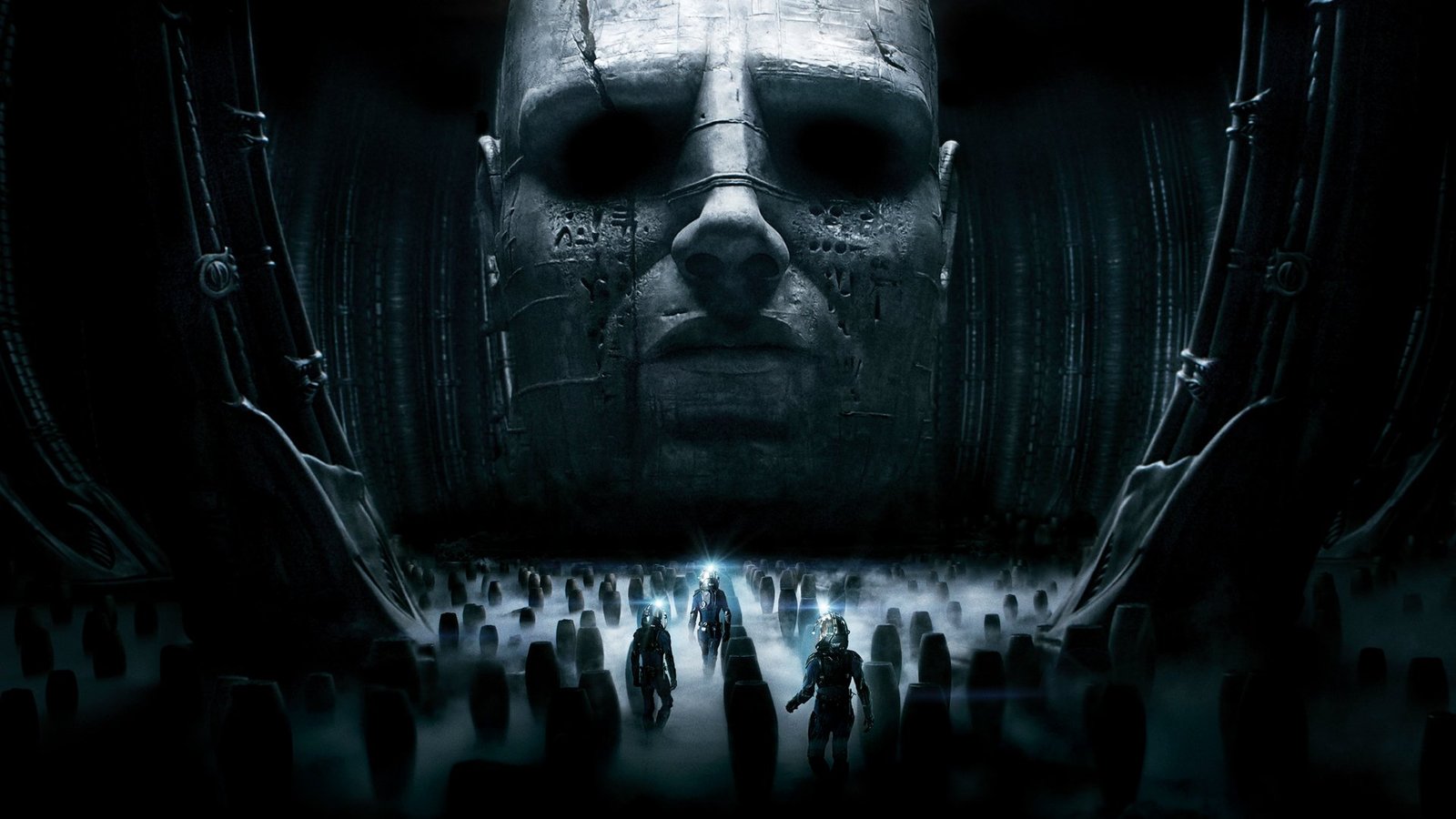
Prometheus, the 2012 science fiction film directed by the legendary Ridley Scott, is a movie that has been widely misunderstood and underappreciated. Often dismissed as a flawed prequel to the Alien franchise, this ambitious and thought-provoking film deserves a closer examination. In this in-depth blog post, we’ll explore the rich themes, impressive visuals, and lasting impact of Prometheus, showcasing why it deserves a fresh perspective from both fans and casual viewers alike.
The Tangled History of the Alien Franchise
To fully appreciate Prometheus, it’s important to understand the complex history of the Alien franchise. In the late 1990s and early 2000s, the future of the series was uncertain. The studio, 20th Century Fox, had two potential paths forward: one involving James Cameron, the acclaimed director of Aliens, and the other involving a crossover with the Predator franchise.
Surprisingly, Fox opted for the crossover route, much to the dismay of many fans. As discussed in my previous video analysis, this decision was primarily driven by commercial considerations, with the studio believing that a crossover would reignite public interest in the Alien and Predator franchises. However, this move was met with significant backlash, and James Cameron ultimately abandoned his plans for a direct Alien sequel.
Prometheus: A Prequel with Lofty Ambitions
It wasn’t until 2009 that Fox revisited the idea of continuing the Alien franchise, this time with a prequel that would explore the origins of the iconic xenomorphs. Prometheus, directed by Ridley Scott, the visionary behind the original Alien film, was born out of this renewed interest.
Contrary to popular belief, Prometheus is not a straightforward prequel to Alien. While it does share some connections to the original film, it is a much more ambitious and philosophically-driven work. Rather than simply providing a traditional origin story, Prometheus delves into deeper questions about the nature of life, the search for our creators, and the consequences of our relentless pursuit of knowledge.
Exploring the Themes of Prometheus
The Search for Our Origins
At the heart of Prometheus is the fundamental human desire to understand our origins. The film’s protagonists, a team of scientists led by Elizabeth Shaw (played by Noomi Rapace) and Charlie Holloway (played by Logan Marshall-Green), embark on an expedition to a distant planet in the hopes of discovering the origins of humanity. Their quest is driven by the belief that the mysterious “Engineers” – an advanced alien race – are responsible for the creation of life on Earth.
This search for our creators is a powerful and thought-provoking theme that resonates with the audience on a deep level. It taps into our innate curiosity about our place in the universe and the existential questions that have plagued humanity for centuries. Prometheus challenges the audience to consider the implications of discovering our true origins, and the potential consequences of that knowledge.
The Relationship Between Creator and Creation
Closely tied to the theme of origins is the complex relationship between creator and creation. Prometheus explores this dynamic on multiple levels, drawing parallels between the Engineers and the humans, as well as between the humans and the android David (played by Michael Fassbender).
The film’s portrayal of the Engineers as a highly advanced, god-like race responsible for the creation of humanity raises profound questions about the nature of our own existence. Are we truly the masters of our own destiny, or are we merely pawns in a larger cosmic game? The film’s ambiguous and unsettling depiction of the Engineers’ motivations and actions leaves the audience grappling with these unsettling questions.
Similarly, the relationship between the human characters and the android David is a rich source of exploration. David’s apparent lack of emotion and his own quest for understanding his place in the world mirror the humans’ search for their creators. This parallel highlights the complex and often fraught nature of the creator-creation dynamic, challenging the audience to consider the implications of artificial intelligence and the potential for conflict between humans and their technological creations.
The Consequences of Unchecked Ambition
Prometheus also delves into the dangers of unchecked ambition and the pursuit of knowledge. The film’s characters, driven by their relentless curiosity and desire to uncover the secrets of the universe, often make decisions that have catastrophic consequences. This theme is particularly evident in the character of Elizabeth Shaw, whose unwavering faith and determination to find answers ultimately leads her and her team into a perilous and deadly situation.
The film’s exploration of this theme serves as a cautionary tale, reminding the audience that the pursuit of knowledge, while noble, must be tempered with wisdom and restraint. Prometheus suggests that our ambition and hubris can often blind us to the potential risks and dangers inherent in our quest for understanding, with devastating results.
The Visual Splendor of Prometheus
Prometheus is not only a thought-provoking exploration of deep philosophical themes, but it is also a visually stunning cinematic achievement. Ridley Scott’s masterful direction, combined with the film’s exceptional production design and visual effects, create a truly immersive and awe-inspiring experience for the audience.
The Breathtaking Alien Landscapes
One of the standout elements of Prometheus is the film’s depiction of the alien world visited by the expedition team. The designers and visual effects artists have created a truly otherworldly and captivating environment, with towering structures, mysterious monoliths, and a sense of scale and grandeur that is truly breathtaking.
The attention to detail in the design of the Engineers’ technology and architecture is particularly impressive, with a clear effort to differentiate it from the aesthetic of the original Alien films. This attention to world-building not only enhances the sense of immersion but also serves to expand the rich mythology of the Alien universe.
The Stunning Visual Effects
Prometheus also boasts some of the most impressive visual effects of the past decade. The film’s seamless integration of practical and digital effects creates a level of realism and attention to detail that is truly remarkable. From the chilling body horror of the “surgery” sequence to the awe-inspiring scale of the Engineers’ ships, the visual effects in Prometheus are a true testament to the skill and artistry of the filmmakers.
Particularly noteworthy is the film’s treatment of the android character David, played by Michael Fassbender. The level of detail and nuance in Fassbender’s performance, combined with the exceptional visual effects work, creates a truly convincing and captivating portrayal of an artificial intelligence struggling with its own identity and purpose.
Prometheus and the Alien Franchise
While Prometheus is not a direct prequel to the original Alien film, it does share some important connections and thematic resonances with the franchise. The film’s exploration of the origins of the xenomorphs, as well as the introduction of the mysterious Engineers, provides a rich and compelling backstory to the events of the earlier films.
However, Prometheus also departs from the traditional Alien formula in significant ways. Rather than focusing solely on the horror and action elements that defined the earlier films, Prometheus delves deeper into philosophical and existential questions, challenging the audience to engage with the film on a more cerebral level.
This shift in tone and focus has been a source of contention for some fans, who were expecting a more straightforward prequel. However, it is precisely this ambition and willingness to explore new thematic territory that makes Prometheus such a compelling and thought-provoking addition to the Alien franchise.
The Legacy of Prometheus
Despite the mixed reception it received upon its initial release, Prometheus has continued to garner attention and appreciation from both fans and critics. As the years have passed, the film’s themes and ideas have resonated more deeply, and its influence on the broader science fiction genre has become increasingly apparent.
One of the most significant aspects of Prometheus’ legacy is its impact on the Alien franchise itself. While the film’s direct sequel, Alien: Covenant, was met with a more lukewarm response, it is clear that Ridley Scott’s ambition to expand the thematic and philosophical scope of the Alien universe has left a lasting mark.
Moreover, Prometheus has inspired a renewed appreciation for Ridley Scott’s filmography, with many viewers recognizing the film as a bold and visionary work that showcases the director’s continued mastery of the science fiction genre. As a member of my channel, you can look forward to more in-depth analysis and discussion of Prometheus and its place within the broader context of Ridley Scott’s acclaimed body of work.
Conclusion
Prometheus is a film that deserves a closer, more nuanced examination. Far from being a simple prequel to the Alien franchise, it is a bold and ambitious work that tackles profound questions about the nature of life, the search for our origins, and the consequences of our relentless pursuit of knowledge.
With its stunning visuals, thought-provoking themes, and rich connections to the Alien mythos, Prometheus is a film that demands attention and deserves a fresh perspective from both fans and casual viewers alike. By embracing the film’s complexity and ambition, we can gain a deeper appreciation for its lasting impact and the enduring legacy of the Alien franchise.
If you’re interested in exploring more of my analysis and commentary on Prometheus and the Alien franchise, be sure to check out my video playlist and follow me on Instagram. And if you’d like to support my work, consider becoming a member of my channel.
Thank you for reading, and I hope this in-depth exploration of Prometheus has inspired you to revisit this underappreciated and thought-provoking film. Happy viewing!
About the Author







1 thought on “Prometheus Review: Ridley Scott’s Sci-Fi Masterpiece”