When the news first broke that Sydney Sweeney was being touted as an Oscar contender for her performance in the new film Christy, directed by David Michôd, the industry was abuzz with excitement. The film, which premiered at the 2025 Toronto International Film Festival, promised to be a gritty and compelling sports drama that would showcase Sweeney’s dramatic range.
Billed as the story of Christi Martin, a trailblazing female boxer, Christy had all the makings of a powerful and inspiring biopic. With the involvement of production company Black Bear, known for their track record of awards-worthy films, and the casting of acclaimed actors like Sweeney and Ben Foster, the film seemed poised to deliver a captivating exploration of Christi’s journey both in and out of the ring.
A Promising Start, but Ultimately a Flawed Execution
However, as I sat through the first screening of Christy at the Toronto festival, it became clear that the film’s ambition had outpaced its execution. While Sweeney’s performance was indeed a standout, the film’s narrative structure and uneven focus ultimately prevented it from reaching its full potential.
The film’s central issue lies in its inability to seamlessly blend the two main narrative threads – Christi’s rise in the world of women’s boxing and her tumultuous personal life. The film starts strong, immersing us in Christi’s early days as a boxer, her determination to carve out a space for herself in a male-dominated sport, and her pursuit of better contracts and visibility for female fighters. But just as we begin to get invested in this sports drama, the film abruptly shifts gears, jumping forward in time to focus on Christi’s troubled marriage to her coach, James, played by Ben Foster.
These jarring temporal leaps, which occur several times throughout the film, leave the audience feeling disoriented and disconnected from the narrative. It becomes increasingly difficult to fully engage with Christi’s story, as we’re constantly being pulled between the two narrative threads without a clear sense of cohesion or purpose.
The Challenges of Balancing Sports and Personal Drama
One of the primary issues with Christy is its inability to strike a balance between the sports-focused elements and the personal drama. The film seems to struggle with deciding which aspect should take precedence, resulting in a lopsided and unsatisfying viewing experience.
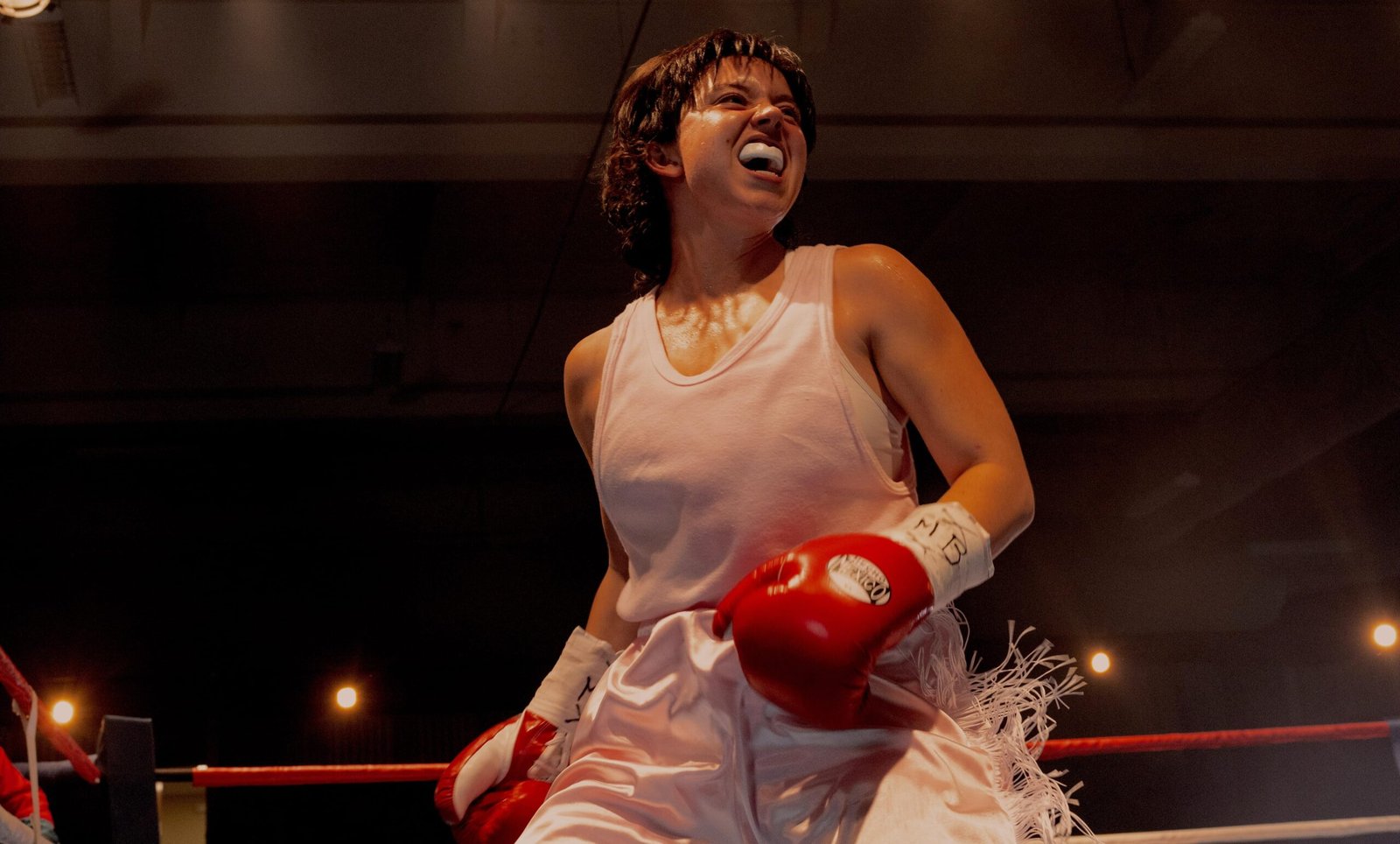
In the opening act, the film does a decent job of establishing Christi’s passion for boxing and her determination to succeed in a male-dominated field. We witness her early fights, her training regimen, and her efforts to secure better opportunities for herself and her fellow female fighters. This sports-centric portion of the film is engaging and well-executed, with the fight sequences and training montages delivering the expected cinematic thrills.
However, as the film progresses, the focus shifts more and more towards Christi’s tumultuous relationship with James. While this personal drama is undoubtedly an important aspect of Christi’s story, the film’s handling of it feels unbalanced and often overshadows the sports narrative. The abrupt transitions between the two storylines leave the audience feeling like they’re watching two separate films, rather than a cohesive exploration of Christi’s life.
This imbalance is further exacerbated by the film’s decision to cover such a broad timeframe, spanning from the late 1980s to the early 2010s. By attempting to cram so much of Christi’s life into a relatively short runtime, the film struggles to give each narrative thread the attention and development it deserves. As a result, we’re left with a fragmented and unsatisfying portrait of Christi’s journey, unable to fully immerse ourselves in either the sports or the personal drama.
The Strengths and Weaknesses of the Performances
Despite the film’s structural issues, the performances of the lead actors are undoubtedly the standout elements of Christy. Sydney Sweeney delivers a powerful and nuanced portrayal of Christi, showcasing her range as an actress and her ability to inhabit a complex and multifaceted character.
Sweeney’s performance is particularly impressive in the film’s more emotionally charged moments, as she navigates Christi’s journey from a determined and ambitious boxer to a woman trapped in an abusive relationship. Her ability to convey the character’s internal struggles and the toll that her personal life takes on her professional aspirations is truly compelling.
Equally impressive is Ben Foster’s performance as James, Christi’s coach and eventual husband. Foster’s portrayal of the character’s gradual descent into controlling and abusive behavior is chilling, and he manages to elicit a sense of empathy even as the character’s actions become increasingly reprehensible.
However, the strength of the individual performances is somewhat undermined by the film’s overall narrative issues. While Sweeney and Foster are both excellent in their respective roles, the lack of cohesion and balance in the storytelling prevents their performances from reaching their full potential. The audience is left feeling that the actors are doing their best with the material they’ve been given, but that the film as a whole is not doing justice to their talents.
The Missed Opportunity of Exploring Christi’s Boxing Career
One of the most frustrating aspects of Christy is the way it ultimately sidelines the very element that initially drew audiences in – Christi’s career as a boxer. While the film starts strong in its depiction of Christi’s determination to succeed in the ring, it quickly becomes clear that the filmmakers are more interested in exploring her personal life and the abusive relationship that ultimately defined her later years.
This shift in focus is particularly disappointing, as the film’s early boxing sequences are some of its most engaging and well-executed moments. The training montages, the gritty fight scenes, and the glimpses of Christi’s competitive spirit all suggest that the filmmakers had the potential to deliver a truly compelling sports drama. However, the decision to prioritize the personal drama over the sports narrative ultimately robs the film of its most promising narrative thread.
As a result, we’re left with a sense of missed opportunity. Rather than delving deeper into Christi’s boxing career and the challenges she faced as a female athlete in a male-dominated sport, the film instead chooses to focus on the more sensational aspects of her personal life. While the exploration of her abusive relationship is undoubtedly important, it feels like it comes at the expense of a more nuanced and fully realized portrayal of her professional accomplishments and the impact she had on the world of women’s boxing.
The Uneven Pacing and Narrative Structure
One of the most significant issues with Christy is its uneven pacing and narrative structure. As mentioned earlier, the film’s decision to jump back and forth in time, alternating between Christi’s boxing career and her personal life, creates a sense of disjointed storytelling that can be frustrating for the audience to follow.
The film’s opening act, which focuses on Christi’s early days as a boxer, is relatively well-paced and engaging. We’re quickly immersed in the world of women’s boxing, and the film does a decent job of establishing Christi’s drive and determination to succeed in the sport. However, once the narrative shifts to her personal life and the tumultuous relationship with James, the pacing becomes increasingly erratic.
The film’s temporal leaps, which often occur without clear transitions or context, can be jarring and disorienting for the viewer. We’re constantly being pulled out of one narrative thread and thrust into another, making it difficult to maintain a consistent emotional investment in the story. This uneven pacing not only undermines the film’s overall cohesion but also prevents the audience from fully engaging with the characters and their arcs.
Furthermore, the film’s decision to cover such a broad timeframe, from the late 1980s to the early 2010s, adds to the sense of narrative fragmentation. By attempting to cram so much of Christi’s life into a relatively short runtime, the film struggles to give each period the attention and development it deserves. As a result, we’re left with a series of disconnected vignettes, rather than a cohesive and compelling exploration of Christi’s journey.
The Importance of Narrative Choices in Biopics
The issues with Christy‘s narrative structure and pacing highlight the importance of making thoughtful and strategic choices when crafting a biopic. Biopics, by their very nature, often grapple with the challenge of condensing a person’s entire life into a feature-length film. This requires the filmmakers to make difficult decisions about what to include, what to emphasize, and how to structure the narrative in a way that is both engaging and meaningful.
In the case of Christy, it seems that the filmmakers were overly ambitious in their attempt to cover both Christi’s professional and personal life. While both aspects of her story are undoubtedly important, the film’s inability to strike a balance between the two ultimately undermines the overall impact of the narrative.
A more focused approach, perhaps concentrating on a specific period or pivotal moment in Christi’s life, could have allowed the filmmakers to delve deeper into the nuances of her story and create a more cohesive and compelling viewing experience. By making strategic choices about what to include and how to structure the narrative, biopics can often achieve a greater emotional resonance and a more profound exploration of their subject’s life and legacy.
The Lasting Impact and Potential of Christy
Despite its flaws, Christy still has the potential to leave a lasting impact, particularly in the context of the film industry’s ongoing efforts to amplify diverse voices and stories.
The film’s focus on a female athlete in a male-dominated sport, and the exploration of the challenges and obstacles she faced, is a valuable contribution to the growing canon of sports-centric biopics. While the execution may be uneven, the mere existence of a film like Christy is a testament to the industry’s willingness to tell stories that have traditionally been overlooked or marginalized.
Moreover, the performances of Sydney Sweeney and Ben Foster, while not fully supported by the film’s narrative structure, are still worthy of recognition and praise. Sweeney’s ability to capture the nuances of Christi’s emotional journey, and Foster’s chilling portrayal of the abusive James, are both standout elements that could potentially earn them critical acclaim and awards consideration, even if the film as a whole falls short of its potential.
Ultimately, while Christy may not be the masterpiece that some had hoped for, it still represents an important step forward in the industry’s ongoing efforts to tell diverse and compelling stories. As the film industry continues to evolve and embrace a wider range of perspectives and experiences, films like Christy will serve as valuable touchstones, highlighting the challenges and opportunities that come with bringing complex, real-life stories to the big screen.
Conclusion
In the end, Christy is a film that had the potential to be a powerful and inspiring sports drama, but ultimately stumbles in its attempt to balance the sports narrative with the personal drama of Christi’s life. While the performances of Sydney Sweeney and Ben Foster are undoubtedly strong, the film’s uneven pacing, disjointed narrative structure, and imbalanced focus prevent it from fully realizing its promise.
Nevertheless, Christy remains an important contribution to the growing canon of biopics that seek to amplify diverse voices and stories. As the film industry continues to evolve and embrace a wider range of perspectives, films like this will serve as valuable touchstones, highlighting both the challenges and the opportunities that come with bringing complex, real-life stories to the big screen.
For those interested in following the latest updates on Christy and the awards season buzz surrounding it, be sure to check out my Instagram and X (Twitter) accounts.
About the Author