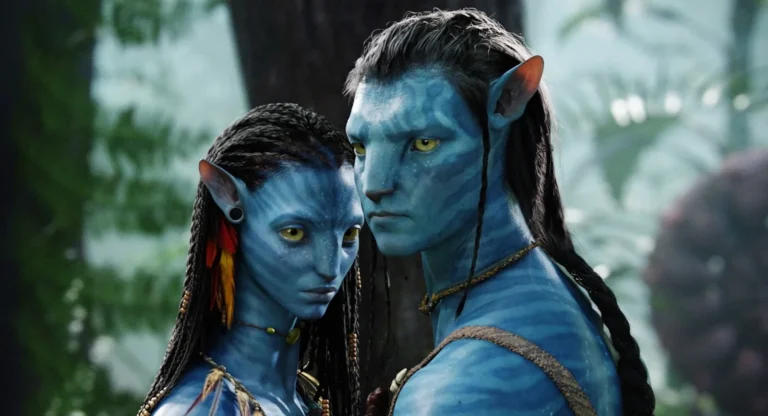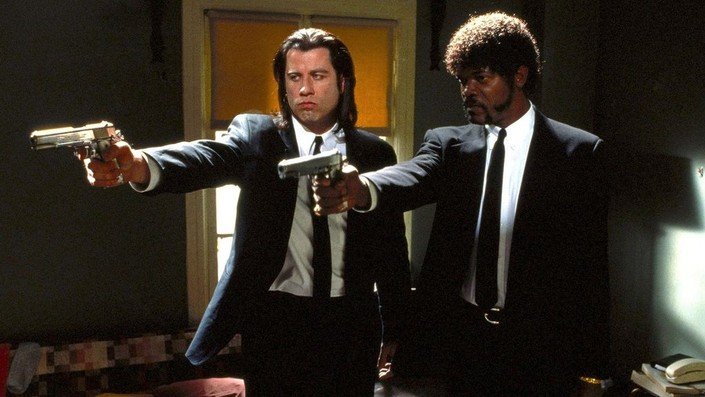
The entertainment world was left reeling in 2020 with the tragic and untimely passing of Chadwick Boseman, a gifted actor whose remarkable talent and versatility captivated audiences across the globe. Boseman’s sudden death at the age of 43 was a devastating loss, cutting short a career that had already produced a string of acclaimed performances that cemented his status as one of the most promising and influential actors of his generation.
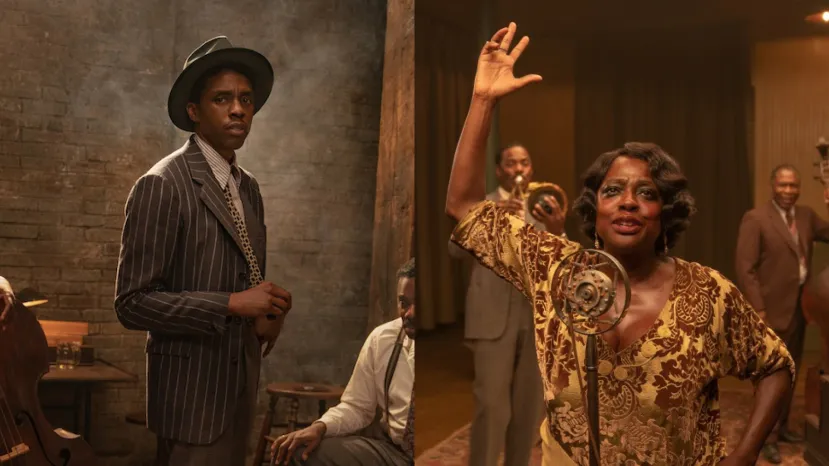
Among Boseman’s final projects was his starring role in the Netflix film Ma Rainey’s Black Bottom, an adaptation of the acclaimed August Wilson play that would ultimately serve as his cinematic swan song. In this powerful and poignant drama, Boseman delivered a tour-de-force performance that showcased the full breadth of his acting prowess, from his ability to embody the raw intensity and simmering rage of his character to his mastery of the film’s rich, lyrical dialogue.
As we reflect on Boseman’s legacy and the impact he left on the entertainment industry, Ma Rainey’s Black Bottom stands as a fitting and profound final chapter in his remarkable career. Through this film, Boseman not only solidified his status as one of the greatest actors of his time, but also left an indelible mark on the cultural landscape, using his art to shine a light on the enduring struggles and resilience of the Black experience in America.
Exploring the Themes of Ma Rainey’s Black Bottom
At the heart of Ma Rainey’s Black Bottom lies a powerful exploration of the complex and often fraught relationship between art, identity, and the pursuit of power. Set in 1920s Chicago, the film follows the legendary blues singer Ma Rainey (played by the incomparable Viola Davis) as she and her band gather to record a new album, a process that quickly becomes a battleground for the competing visions and personal agendas of the various characters.
Boseman’s character, Levee, is the film’s central figure, a talented and ambitious young trumpeter who dreams of breaking free from the constraints of the band and Ma Rainey’s artistic vision to forge his own path to stardom. Levee’s journey is one of both personal and professional ambition, as he navigates the treacherous waters of the music industry while also grappling with the scars of his own traumatic past.
The Struggle for Creative Control
The film’s central conflict revolves around the power struggle between Ma Rainey and her band members, particularly Levee, as they vie for control over the creative process of recording the album.
Ma Rainey, a seasoned and unapologetic artist, is determined to maintain her artistic vision and authority, refusing to compromise her unique sound and style to appease the demands of the white record executives who hold the purse strings.
Levee, on the other hand, sees the recording session as an opportunity to showcase his own talents and assert his creative independence, leading to a series of confrontations and power plays that ultimately culminate in a tragic and devastating climax.
The film’s exploration of this power struggle not only reflects the broader tensions and inequities of the music industry at the time, but also serves as a metaphor for the ongoing battle for creative autonomy and self-determination within the Black community.
The Burden of Racial Oppression
Underlying the film’s central narrative is a powerful exploration of the enduring legacy of racial oppression and its impact on the lives and experiences of the characters. Throughout the film, the characters grapple with the weight of their own personal histories, as well as the systemic barriers and prejudices that have shaped their lives and limited their opportunities.
Levee’s character, in particular, serves as a poignant embodiment of this struggle, as he navigates the complex and often contradictory demands of his ambition and his desire for self-determination in the face of a society that is fundamentally stacked against him. Boseman’s portrayal of Levee is a masterclass in nuance and emotional complexity, as he deftly captures the character’s simmering rage, his deep-seated trauma, and his ultimately doomed quest for a measure of control and recognition.
The film’s exploration of racial oppression is not limited to Levee’s story, however. The supporting characters, too, grapple with the realities of their marginalized status, whether it’s Ma Rainey’s refusal to be exploited by the white record executives or the band members’ own struggles to carve out a space for themselves in an industry that is dominated by white power brokers.
The Pursuit of Authenticity
At the heart of Ma Rainey’s Black Bottom is a profound exploration of the pursuit of artistic authenticity and the ways in which it intersects with the broader struggle for self-determination and cultural identity.
For Ma Rainey, the recording session represents a battleground not just for creative control, but for the preservation of her unique artistic vision and the cultural legacy that she represents. As a pioneering figure in the world of blues music, Ma Rainey is keenly aware of the ways in which her art has been appropriated and diluted by the white-dominated music industry, and she is determined to assert her own artistic autonomy and the integrity of her work.
Levee’s character, in contrast, represents a more complex and ambiguous relationship to the pursuit of authenticity. On the one hand, he is driven by a deep-seated desire to forge his own path and to carve out a space for himself within the music industry, free from the constraints and compromises that have defined the careers of his elders. Yet, at the same time, Levee’s ambition is tinged with a sense of desperation and a fear of being left behind, leading him to make choices that ultimately undermine the very authenticity that he claims to be fighting for.
Through the interplay of these competing visions and the film’s rich, multilayered exploration of the themes of identity, power, and the pursuit of artistic truth, Ma Rainey’s Black Bottom emerges as a powerful and resonant meditation on the enduring struggle for self-determination and cultural expression within the Black community.
Chadwick Boseman’s Unforgettable Performance
At the heart of Ma Rainey’s Black Bottom is Chadwick Boseman’s unforgettable performance as Levee, a role that showcases the full breadth of his acting prowess and solidifies his status as one of the greatest actors of his generation.
Boseman’s portrayal of Levee is a masterclass in emotional nuance and complexity, as he navigates the character’s simmering rage, his deep-seated trauma, and his ultimately doomed quest for a measure of control and recognition. From the character’s bravado-fueled swagger to the raw vulnerability that lurks beneath the surface, Boseman’s performance is a tour-de-force that commands the viewer’s attention and leaves a lasting impact.
What makes Boseman’s performance so remarkable is his ability to imbue Levee with a sense of humanity and depth that transcends the character’s more unsavory qualities. Even as Levee’s ambition and resentment lead him down a path of self-destruction, Boseman never loses sight of the character’s fundamental humanity, infusing his performance with a nuanced and empathetic portrayal that invites the viewer to grapple with the complex moral and emotional implications of Levee’s choices.
Boseman’s performance is also a testament to his remarkable versatility as an actor. Throughout his career, he had demonstrated a remarkable ability to inhabit a wide range of characters, from the heroic and inspirational figures he portrayed in films like 42 and Black Panther to the more complex and morally ambiguous roles he took on in projects like Da 5 Bloods and 21 Bridges. In Ma Rainey’s Black Bottom, Boseman once again showcases his remarkable range, delivering a performance that is both emotionally raw and intellectually compelling, and that serves as a fitting capstone to his tragically short but indelible career.
The Enduring Legacy of Ma Rainey’s Black Bottom
As we reflect on the legacy of Ma Rainey’s Black Bottom and Chadwick Boseman’s unforgettable performance, it’s clear that this film will continue to resonate with audiences for years to come. Not only does it stand as a powerful and poignant tribute to Boseman’s remarkable talent, but it also serves as a profound and timely exploration of the enduring themes of racial oppression, artistic expression, and the pursuit of self-determination that continue to shape the lived experiences of Black Americans.
In the wake of the social unrest and reckoning with systemic racism that has swept across the United States and the world in recent years, Ma Rainey’s Black Bottom feels more relevant and urgent than ever. The film’s unflinching examination of the ways in which the music industry has historically exploited and marginalized Black artists, and the ways in which those same dynamics continue to play out in the present day, serves as a powerful and necessary counterpoint to the dominant narratives that have long dominated the cultural landscape.
But beyond its thematic resonance, Ma Rainey’s Black Bottom also stands as a testament to the enduring power of the arts to illuminate and transform our understanding of the human experience. Through its rich, lyrical dialogue, its vivid and immersive visual style, and its ensemble of powerhouse performances, the film transports the viewer into a world that is at once deeply specific and universally resonant, inviting us to grapple with the complexities of identity, power, and the pursuit of artistic truth.
As we bid farewell to Chadwick Boseman and the remarkable body of work he left behind, Ma Rainey’s Black Bottom stands as a fitting and profound final chapter in his legacy. It is a film that not only showcases the full breadth of his talent, but also serves as a powerful and enduring testament to the transformative power of the arts to illuminate the human experience in all its complexity and nuance. In the years to come, as we continue to grapple with the ongoing challenges of racial injustice and the pursuit of cultural expression, Ma Rainey’s Black Bottom will undoubtedly remain a touchstone, a work of art that speaks to the enduring resilience and creativity of the human spirit.
About the Author