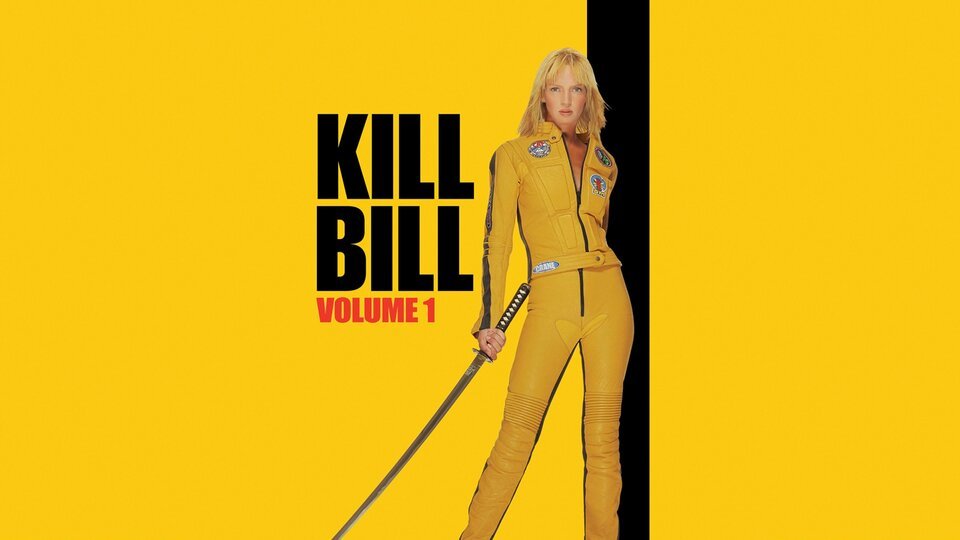
Kill Bill Vol. 1
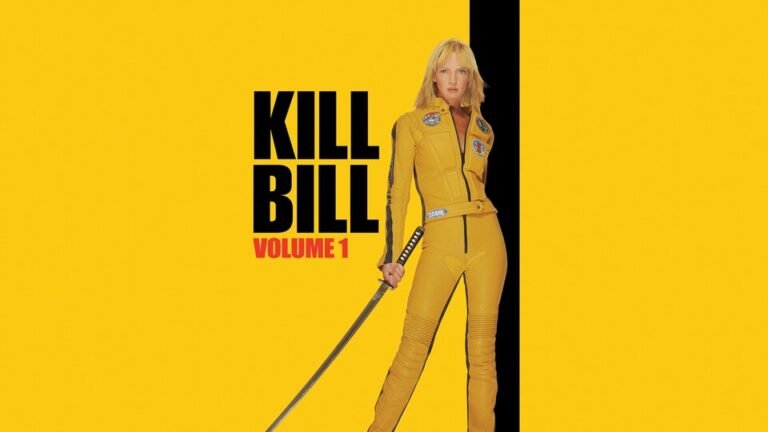
Quentin Tarantino is a master of cinematic storytelling, blending genres, and paying homage to the films and directors that have inspired him. In Kill Bill Vol. 1, he delivers a thrilling, visually stunning, and unapologetically violent revenge tale that pays tribute to the rich history of Asian martial arts cinema. I believe Kill Bill is Quentin Tarantino’s first real full-on action movie, and if you know Quentin Tarantino, you know he’s a big fan of Asian cinema, specifically martial arts cinema.
The Bride’s Bloody Crusade for Vengeance
At the heart of Kill Bill Vol. 1 is the story of the Bride, played by the incomparable Uma Thurman. I noticed that the film opens with a “black and white scene” that sets the stage for the Bride’s quest for revenge. After being left for dead by her former colleagues in the Deadly Viper Assassination Squad, the Bride wakes up from a four-year coma, fueled by a singular purpose: to hunt down and kill those responsible for the massacre at her wedding, including her former lover and boss, Bill.
I felt the emotional intensity of this opening sequence immediately. All of this emotion and betrayal rushes back to her at once. She’s focused. She knows what she has to do. She makes a list, and she says, “I have to get revenge. I have to kill these people,” and that’s her sole mission throughout the whole movie.
Tarantino’s Masterful Direction
One of the standout aspects of Kill Bill Vol. 1 is Quentin Tarantino’s exceptional direction, which I consider a star of the movie in and of itself. Tarantino’s unique approach to storytelling, which often involves nonlinear narratives and unexpected pacing, is on full display in this film.
I noticed that Quentin Tarantino seems to get bored by just linear direction, telling the story in chronological order. By changing it up and starting with a scene that might take place in the middle chronologically, he keeps the audience on their toes and keeps the movie interesting.
Tarantino’s mastery of pacing is also remarkable. He will let dialogue dictate a scene for a good 10 minutes and then hit you over the head with a sledgehammer. This balance of intense dialogue with explosive action sequences is a hallmark of Tarantino’s filmmaking style and a key reason why Kill Bill Vol. 1 is such a captivating viewing experience.
The Deadly Viper Assassination Squad
One of the most compelling aspects of Kill Bill Vol. 1 is the rich cast of characters that populate the Deadly Viper Assassination Squad, the elite group of assassins the Bride must confront on her path to vengeance. Tarantino knows how to make interesting characters, and each member of the squad is a unique and memorable figure.
Elle Driver (Daryl Hannah): I see Elle as a character who hates the Bride and comes close to killing her before being stopped by Bill. The rivalry between Elle and the Bride is palpable. You can tell there’s a major rivalry, even if you don’t know exactly why yet—it’s bound to reveal itself eventually.
O-Ren Ishii (Lucy Liu): I think the segment of the film focused on the Bride’s confrontation with O-Ren Ishii is the best part of Kill Bill Vol. 1. The iconic imagery of the Bride wearing the Bruce Lee Game of Death outfit, followed by the thrilling action sequence where she takes on the Crazy 88 assassins, is probably one of the longest and most impressive action scenes I’ve ever seen.
Gogo Yubari (Chiaki Kuriyama): Gogo Yubari stands out as one of my favorite villains in the film. The actress’s performance and the character’s unique weapon, the little ball and chain, are unforgettable. Tarantino was clearly a fan of Chiaki Kuriyama from her role in Battle Royale.
While Bill himself does not appear on screen in Kill Bill Vol. 1, his voice, provided by the legendary David Carradine, carries a commanding presence. The sense of intrigue and mystery surrounding him drives the Bride’s quest for vengeance, and I’m eager to see how this storyline unfolds in Kill Bill Vol. 2.
The Soundtrack: A Crucial Storytelling Element
No discussion of Kill Bill Vol. 1 is complete without mentioning the crucial role of its soundtrack. You can’t finish a Tarantino review without talking about the music, and the soundtrack here is a standout.
Several musical cues became instantly iconic, like the Elle Driver theme with its unforgettable whistled melody and the really infectious cues that play whenever the Bride has her prey in sight. I also notice a distinct shift in musical tone between Kill Bill Vol. 1 and Vol. 2: the first film has more of an Asian theme, while the second leans toward a Western theme, partly thanks to Robert Rodriguez.
Tarantino’s use of music enhances the emotional impact and thematic resonance of the story. The music in Kill Bill Vol. 1 is not just background noise—it’s a vital storytelling element that immerses me fully in the Bride’s bloody crusade for vengeance.
A Cinematic Masterpiece
In the end, I see Kill Bill Vol. 1 as a cinematic masterpiece. I consider it one of the best action movies out there and one of my favorite Tarantino films. It has the most rewatch value of all his works, alongside Pulp Fiction.
My enthusiasm for the film is palpable, and I find every element—from the emotional intensity of the Bride’s quest for vengeance to Tarantino’s masterful direction and the iconic characters of the Deadly Viper Assassination Squad—both insightful and engaging.
For fans of Quentin Tarantino, martial arts cinema, or simply great storytelling, Kill Bill Vol. 1 is a must-see. And for those who haven’t yet experienced it, I think my perspective is the perfect introduction to this bloody, stylish, and unforgettable cinematic journey.
About the Author