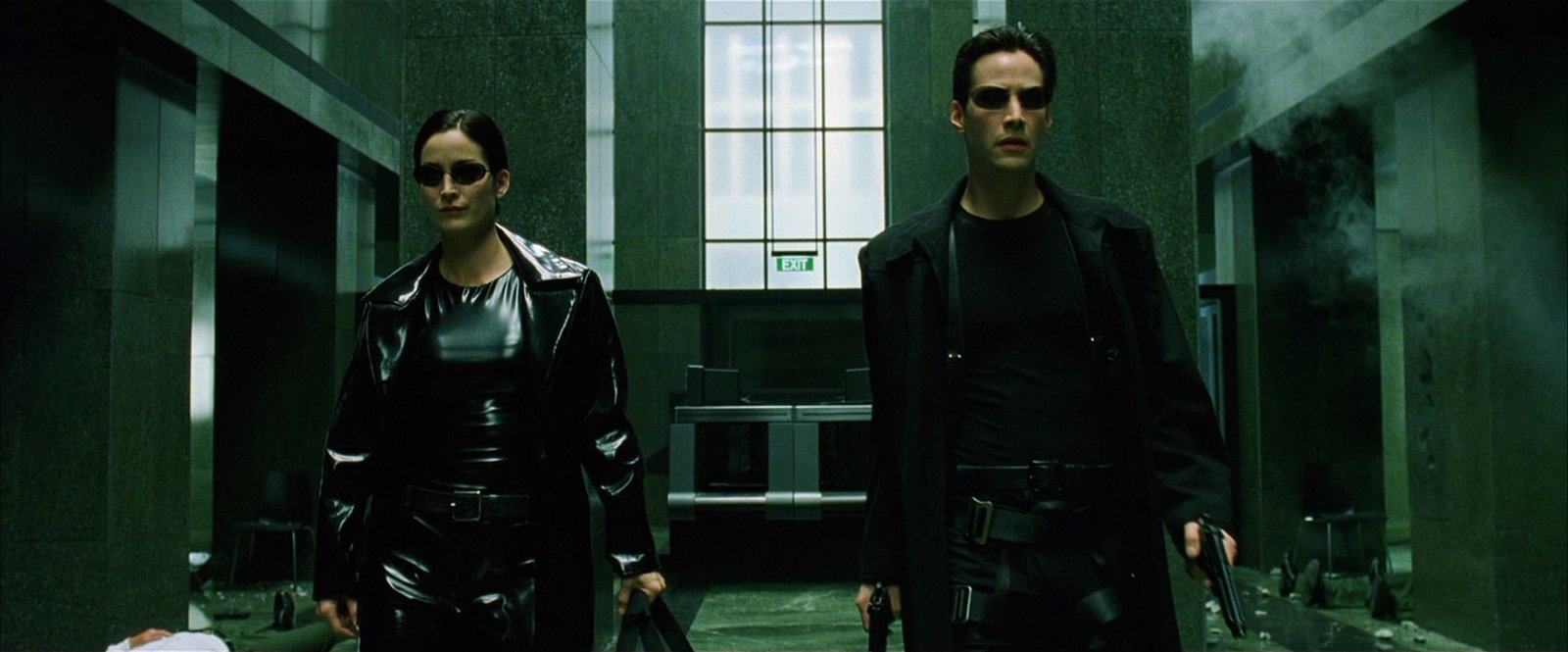
The Matrix (1999)
The Matrix is often hailed as a revolutionary and groundbreaking work of science fiction that has left an indelible mark on the genre. With its iconic fight scenes that defined a decade and a visually striking aesthetic that helped shape pop culture at the turn of the millennium, The Matrix is undoubtedly a film that transformed cinema. But what exactly did the Wachowskis’ masterpiece bring to the Hollywood industry that had such a profound impact, and how does it continue to influence filmmakers and storytellers to this day?
To understand the true legacy of The Matrix, we need to look back at the origins of the film and the wealth of science fiction works that inspired its creation. While The Matrix may have the reputation of being a visionary and pioneering movie, the truth is that the vast majority of its ideas were borrowed, in one form or another, from previous works of science fiction and pop culture. The concept of a virtual reality, for instance, had been explored as early as the 1960s, with Philip K. Dick’s seminal novel Do Androids Dream of Electric Sheep? presenting a shared virtual reality where the body experiences the same sensations as the mind. The religious concept of “Mercerism” in the book also introduced the idea of a simulated reality accessed through a neural network, foreshadowing the central conceit of The Matrix.
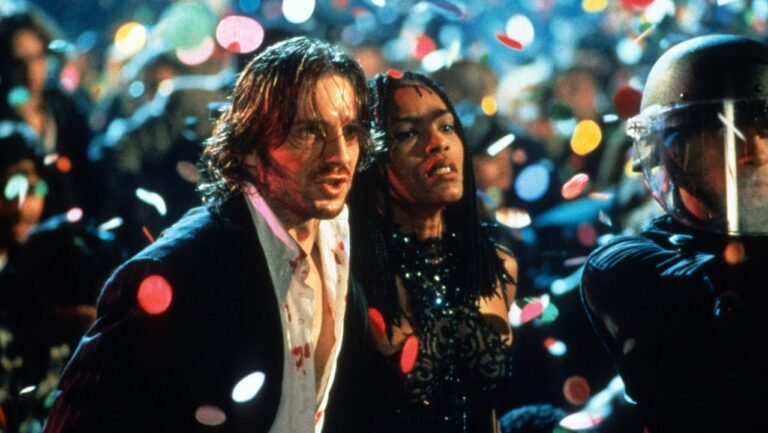
Other influential works that paved the way for The Matrix include Total Recall, which dealt with the blurring of reality and false memories, and Dark City, which shared The Matrix’s sombre and gothic aesthetic, as well as the concept of agents protecting a simulated reality. Even the idea of people living in a simulated world called “The Matrix” had been explored in the 1995 film Strange Days.
So, if The Matrix didn’t exactly bring anything new to the table in terms of its core ideas, what was it that made the film so revolutionary and influential? The answer lies in the way the Wachowskis took these pre-existing concepts and wove them into a cohesive and visually stunning narrative that captivated a mainstream audience.
Revolutionizing Action and Visual Storytelling
While the philosophical and thematic elements of The Matrix were heavily inspired by previous works, the film’s groundbreaking action sequences and visual style were a significant departure from the norm in American cinema at the time. The stylized, balletic fight choreography and innovative use of bullet-time effects were heavily influenced by the Hong Kong action cinema that the Wachowskis had long admired.
Films like Crouching Tiger, Hidden Dragon and the works of John Woo had already established the foundations of this dynamic, kinetic action language, but The Matrix took it to a whole new level. By combining these Eastern influences with cutting-edge visual effects, the film created a new standard for action sequences that would go on to inspire countless other movies in the years to come.
But The Matrix’s impact on visual storytelling went beyond just the action scenes. The film’s distinctive aesthetic, with its muted color palette, sleek futuristic designs, and iconic sunglasses, became a defining visual signature that permeated pop culture. This style-driven approach to world-building was a significant departure from the more conventional, plot-driven narratives that had dominated Hollywood in the decades prior.
A Film by Fans, for Fans
One of the most important aspects of The Matrix’s legacy is the way it paved the way for a new generation of filmmakers who were able to bring their personal passions and influences to the mainstream. The Wachowskis were self-professed fans of the science fiction and anime genres, and their deep love for these forms of storytelling was evident in every frame of the film.
Unlike many of the blockbuster movies of the 1990s, which were often driven by corporate interests and focus-grouped to appeal to the widest possible audience, The Matrix was a labor of love – a film made by fans, for fans. This DIY, grassroots approach to filmmaking was a significant departure from the norm, and it would go on to inspire a new wave of directors who were eager to bring their own unique perspectives and fandoms to the big screen.
One of the most prominent examples of this is Kill Bill, Quentin Tarantino’s homage to the martial arts films and exploitation cinema of his youth. Like The Matrix, Kill Bill was a love letter to the genres and works that had inspired its creator, and it demonstrated the power of channeling one’s personal passions into a mainstream cinematic experience.
Similarly, directors like James Gunn have followed in the Wachowskis’ footsteps, using their deep knowledge of pop culture and genre tropes to craft films like Guardians of the Galaxy and The Suicide Squad that are both commercially successful and deeply personal. These filmmakers have embraced the idea that the most innovative and impactful stories can come from the passions and obsessions of the creators themselves, rather than from focus-grouped, committee-driven decisions.
The Legacy of The Matrix Trilogy

While the original Matrix film was widely acclaimed and considered a landmark achievement in science fiction cinema, the sequels, The Matrix Reloaded and The Matrix Revolutions, were more divisive in their reception. However, these follow-ups, despite their flaws, still managed to leave a significant mark on the industry and the genre.
Pushing the Boundaries of Visual Effects: The Matrix Reloaded, in particular, was at the forefront of pushing the limits of computer-generated imagery (CGI) and visual effects. The film’s epic battle against the Sentinels in the Dock sequence, for example, was a groundbreaking display of the capabilities of the technology at the time, inspiring future blockbusters like Edge of Tomorrow and Avatar.
Deepening the Philosophical Exploration: While the first Matrix film introduced the core concepts of the simulated reality and the hero’s journey, the sequels delved deeper into the philosophical and metaphysical implications of this premise. By expanding the scope of the world and exploring the nature of the Matrix in greater detail, the sequels challenged audiences to grapple with even more complex questions about the nature of reality and our place within it.
Inspiring a New Generation of Filmmakers: Just as the original Matrix had a profound impact on a generation of filmmakers, the sequels continued to inspire a new wave of creators who were eager to push the boundaries of what was possible in science fiction cinema. The Matrix trilogy as a whole became a touchstone for a new era of visually stunning, thematically ambitious genre films that sought to challenge and captivate audiences in equal measure.
The lasting legacy of The Matrix, then, is not just about the specific innovations it brought to the table, but the way it has continued to shape and inspire the filmmaking landscape in the decades since its release. By blending cutting-edge visual storytelling with deep philosophical exploration, The Matrix and its sequels demonstrated that science fiction cinema could be both commercially successful and artistically ambitious.
In an industry that is often driven by the pursuit of the next big blockbuster, The Matrix stands as a testament to the power of passion, creativity, and a willingness to take risks. It is a film that has inspired countless filmmakers to follow their own unique visions, to draw from the wellspring of their personal obsessions and influences, and to push the boundaries of what is possible in the medium of cinema. And for that, The Matrix will continue to be celebrated as a true landmark in the history of science fiction storytelling.
Be sure to check out the Geekorn YouTube channel for more in-depth discussions on the world of science fiction and fantasy. You can also follow me on Facebook, X (Twitter), and Instagram to stay up to date on the latest news and insights from the world of entertainment.
About the Author






1 thought on “The Matrix Legacy and How It Changed Sci Fi Cinema Forever”