Cyberpunk is one of the most influential and iconic science fiction genres of the past four decades. But no culture has impacted this subgenre more than Japan. From the stunning visuals and pioneering storytelling of Akira, to the unforgettable atmosphere and transhumanist themes of Ghost in the Shell, the Japanese cyberpunk canon is a treasure trove of creativity and political commentary.
Yet, this is merely the surface of Japanese cyberpunk. Beneath the neon-drenched cityscapes and cyborg protagonists lies a gritty, punk-infused underbelly that sets the Japanese cyberpunk experience apart from its Western counterparts. Birthed from the angst and resentment of a youth culture struggling against societal conformity, this subgenre is a dazzling and often disturbing exploration of technology’s dark impact on the human condition.
Rebellion and Unrest in Post-War Japan
To understand the origins of Japanese cyberpunk, we must first look to the tumultuous history of the nation in the decades following World War II. Japan, known for its traditionalism and emphasis on conformity, had been driven to the brink of ruin by its ill-fated imperialist ambitions across Asia. In the aftermath of the war, the country faced the daunting task of rebuilding, all while the older generations demanded continued obedience from those suffering the direct consequences of the devastation.
This sense of angst and discontentment seeped into the realm of science fiction, as seen in works like Space Battleship Yamato and Mobile Suit Gundam, where young protagonists grapple with the trauma and weaponry inherited from the previous generation’s obsession with war. Amuro’s rejection of his father’s warmongering in Gundam is a poignant example of this generational rift.
Alongside this literary rebellion, the post-war years also gave rise to tangible subcultures of youth unrest. The bōsōzoku motorcycle gangs and the yankī delinquent subculture emerged as outlets for the younger generation’s frustrations, with the media quickly embracing these rebellious figures as anti-hero protagonists.
The punk rock scene in Japan, heavily influenced by the UK and US, also grew rapidly during the 1970s and 80s, challenging the conformity of the era with its aggressive sound and DIY ethos. Bands like Hijokaidan and Hanatarash created a cacophony that made even Alien seem tame.
The Birth of Cyberpunk: From Crazy Thunder Road to Burst City

It was against this backdrop of youth unrest and societal upheaval that the first stirrings of Japanese cyberpunk emerged. In 1980, director Kazuya Shiraishi unleashed Crazy Thunder Road, a film that has been erroneously labeled as science fiction, but is in fact a gritty action drama that celebrates the rebellious spirit of the era.
Depicting the story of a fearsome motorcycle gang, Crazy Thunder Road captured the punk ethos of the decade, casting the troubled youth as the heroes facing off against the direct representation of societal conformity. The film’s success, bolstered by financial support from the Toei studio, made it a cultural touchstone for the punk subculture in Japan, providing the representation many young people were seeking.
But it was Burst City, released just 282 days before Blade Runner, that is widely considered the first widely recognized cyberpunk work. Directed by Sōgo Ishii, Burst City is a chaotic, experimental fusion of drama, action, revenge, music, and punk rock. Set in a dilapidated area known as Burst City, the film follows the intertwining stories of various outcasts – bikers, punks, gangs, and the neurodivergent – as they navigate a world on the brink of collapse.
Ishii’s film goes beyond mere narrative structure, capturing the raw, unrestrained energy of the punk movement and channeling it directly onto the screen. Burst City is not for the faint of heart, but it is a powerful critique of the government, the economic climate, and the hypocrisy of the older generations who seek to suppress the very youth they failed.
The film’s climactic scenes depict a rebellion that erupts as the marginalized workers revolt against the exploitative executives and the oppressive police force, all while the punk bands refuse to stop playing their music. This is the essence of Japanese cyberpunk – a celebration of resistance against a society that values profit over people, and a state that uses its power to crush the disenfranchised.
The Cyberpunk Masterpiece: Akira
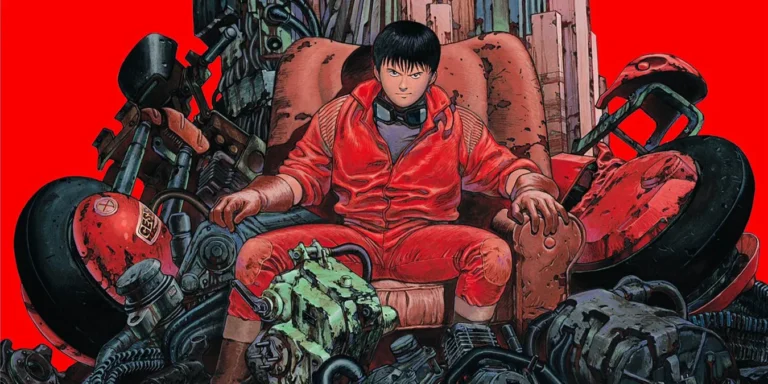
While Burst City laid the groundwork for the rebellious spirit of Japanese cyberpunk, it was Akira that cemented the subgenre’s status as a cultural phenomenon. Adapted from Katsuhiro Otomo’s groundbreaking manga, the 1988 anime film is widely regarded as one of the most influential works in the history of science fiction, not just cyberpunk.
Set in a dystopian Neo-Tokyo, Akira follows the story of a motorcycle gang led by Kaneda, whose member Tetsuo discovers he possesses powerful psychic abilities. As the government attempts to control Tetsuo’s growing power, the film delves into a sprawling conspiracy, large-scale battles between rival gangs, and the introduction of the terrifying weapon, Akira.
What sets Akira apart is its ability to capture the angst and resentment of a younger generation forced to grapple with the consequences of their elders’ actions. The power imbalance between the government’s military might and the citizens’ struggle for autonomy is a central theme, echoing the same cycle of hatred seen in Burst City.
But Akira‘s most significant contribution to the cyberpunk genre is its exploration of body horror. As Tetsuo’s powers grow, his body undergoes a grotesque transformation, becoming a horrifying amalgamation of flesh and technology. This visceral representation of the human body being consumed by the relentless march of progress is a powerful metaphor for the anxieties surrounding technological advancement in Japanese society.
The manga and anime versions of Akira have had a lasting impact on the cyberpunk genre, influencing countless works that followed, from Ghost in the Shell to Alita: Battle Angel. Its blend of delinquent protagonists, government conspiracies, and body horror has become a hallmark of the Japanese cyberpunk aesthetic.
Pushing the Boundaries of Body Horror: Tetsuo: The Iron Man

While Akira introduced the world to the visceral body horror of Japanese cyberpunk, it was Tetsuo: The Iron Man that would push the subgenre to its most extreme and artistically ambitious heights. Directed by Shinya Tsukamoto, Tetsuo is a nightmarish vision of the human body’s struggle against the encroaching metal of technology.
The film follows a salaryman who, after a strange accident, begins to undergo a horrific transformation, his body slowly becoming a grotesque fusion of flesh and steel. Tsukamoto’s film is a sensory assault, combining the claustrophobic dread of Fritz Lang’s Metropolis with the body-horror body-horror of David Cronenberg’s work.
What makes Tetsuo so compelling is its ability to capture the ambivalence and anxiety surrounding technological progress. The film’s depiction of the salaryman’s transformation is a visceral metaphor for the way in which technology can consume and reshape the human form, until the line between man and machine becomes blurred beyond recognition.
Tsukamoto’s own experiences as a salaryman in the advertising industry directly informed the creation of Tetsuo, and the film’s relentless, experimental style reflects the director’s desire to convey the sense of alienation and claustrophobia that can come with living in a rapidly industrializing society.
The film’s climactic sequence, where the salaryman’s mechanized body propels him through the city at breakneck speed, is a stunning visual representation of the way in which technology can strip us of our agency and autonomy, reducing us to mere cogs in a machine. Tetsuo is a masterpiece of cyberpunk horror, a visceral exploration of the human condition in the face of technological upheaval.
The Cyberpunk Legacy: From Burst City to Serial Experiments Lain
The influence of the pioneering works of Japanese cyberpunk can be seen in the subgenre’s continued evolution. Films like Gun Crazy and Alita: Battle Angel have incorporated the rebellious spirit and body horror elements that defined the earlier Japanese cyberpunk canon.
One particularly notable work is 964 Pinocchio, a film that builds upon the legacy of Tetsuo by exploring the dehumanizing effects of corporate exploitation. Directed by Shōji Fukui, 964 Pinocchio tells the story of a discarded cyborg sex worker, abandoned by his client and hunted by the company that created him. The film’s bleak portrayal of the disposability of the working class in the face of corporate greed is a chilling commentary on the consequences of unchecked technological progress.
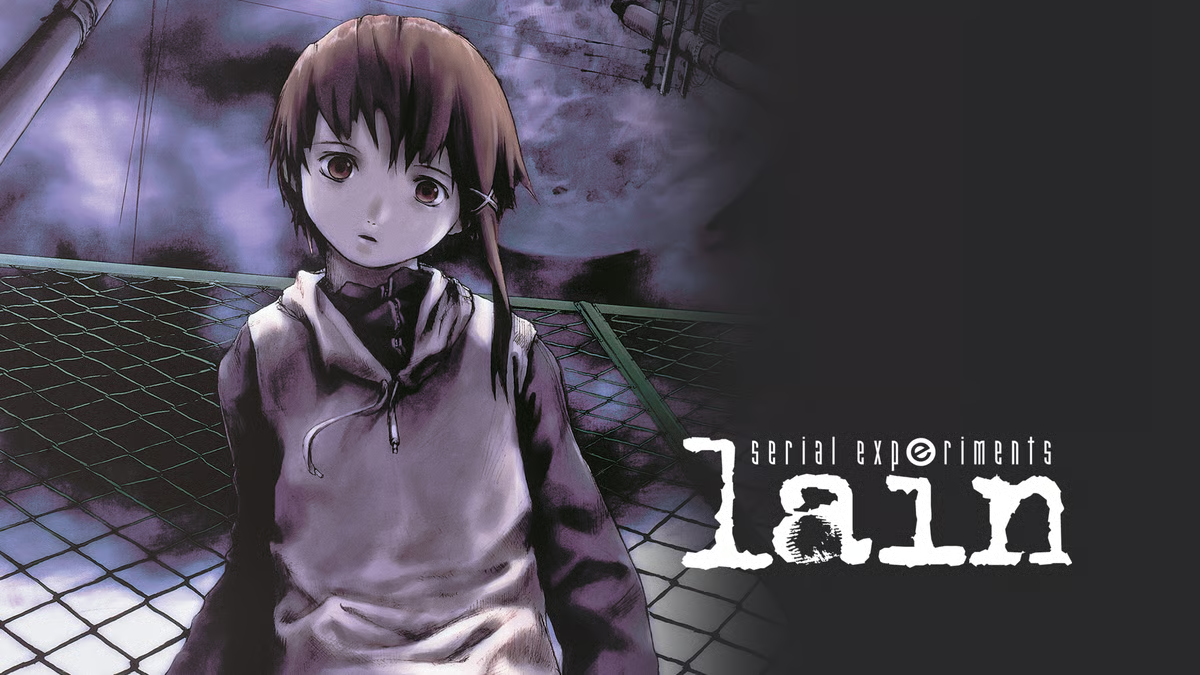
The cyberpunk subgenre’s evolution culminates in the harrowing and thought-provoking Serial Experiments Lain. Set in a world where the line between the physical and digital realms has become increasingly blurred, the anime series explores the themes of isolation, social media radicalization, and the loss of identity in the face of technological advancement.
As Lain, the introverted protagonist, becomes increasingly immersed in the digital world known as the “Wired,” the series presents a disturbing vision of how technology can be used to manipulate and control individuals, particularly vulnerable youth. The series’ exploration of online cults, conspiracy theories, and the erosion of human connection is a haunting reflection of the very real dangers posed by the rapid development of the internet and social media.
Serial Experiments Lain represents the final evolution of the Japanese cyberpunk subgenre, closing the loop on the themes of rebellion, technological anxiety, and the dehumanizing effects of progress that had defined the genre since its inception. The series’ bleak, unsettling portrayal of the digital realm’s impact on the human psyche is a chilling reminder that the cyberpunk future is not just a dystopian fantasy, but a very real threat to the fabric of our society.
The Enduring Legacy of Japanese Cyberpunk
The journey of Japanese cyberpunk, from the rebellious spirit of Crazy Thunder Road to the haunting digital nightmares of Serial Experiments Lain, is a testament to the subgenre’s ability to evolve and reflect the changing anxieties of a society grappling with the relentless march of technological progress.
By embracing the punk ethos and channeling the resentment of a youth culture struggling against conformity, the Japanese cyberpunk canon has created a body of work that is not just visually stunning, but also profoundly insightful. These films and series serve as a mirror, reflecting the very real fears and concerns that have plagued Japanese society, from the trauma of war to the dehumanizing effects of corporate greed and the digital age.
As we continue to navigate the rapidly evolving technological landscape, the lessons of Japanese cyberpunk remain as relevant as ever. The subgenre’s unwavering commitment to exploring the dark side of progress, and its willingness to confront the most unsettling aspects of the human condition, make it an essential part of the science fiction canon. The gritty, rebellious world of Japanese cyberpunk is a testament to the power of the imagination to illuminate the shadows of our own reality.
About the Author