In the ever-evolving landscape of contemporary cinema, the name Park Chan-wook stands as a beacon of cinematic brilliance. The acclaimed South Korean director, known for his visually stunning and thematically complex works, has once again captivated audiences with his latest film, “No Other Choice.” This gripping psychological thriller delves into the heart of societal pressures, corporate ruthlessness, and the desperate measures individuals will take to maintain their perceived “perfect” lives.
A Highly Anticipated Masterpiece
The anticipation surrounding “No Other Choice” was palpable even before its premiere at the 2025 Toronto International Film Festival. As the director’s latest adaptation of a Donald Westlake novel, the film had already garnered significant buzz, building upon the success of the 2005 Costa-Gavras version. However, it was the involvement of the legendary Park Chan-wook that truly ignited the excitement among cinephiles and critics alike.
The festival’s opening-night screening was a testament to the film’s allure, with the venue overflowing with eager audiences. As the director’s fan recounts, “There weren’t enough seats for everyone who wanted to see the movie. I’d guess at least 200 people were left outside the screening.” The overwhelming demand for the film’s premiere forced the festival to quickly schedule an additional screening, further solidifying its status as one of the most anticipated releases of the year.
Exploring the Themes of Corporate Brutality and Personal Desperation
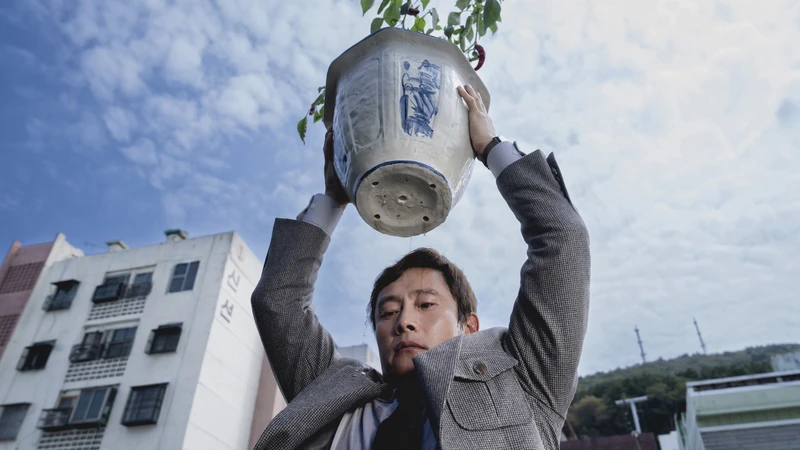
At the heart of “No Other Choice” lies a powerful exploration of the contemporary societal issues that plague individuals and communities worldwide. The film’s central narrative revolves around Mansu, portrayed by the talented Lee Byung-hun, a model factory manager who loses his job of 25 years when the company is acquired by American investors.
Desperate to maintain his family’s comfortable lifestyle and the family home he has cherished since childhood, Mansu embarks on a chilling journey to systematically eliminate all qualified candidates vying for the sole available position in the industry. This premise serves as a “point of reflection” on the brutality that can arise from both corporate and individual actions.
The Duality of Brutality
The film explores the parallel between “corporate brutality” and the “individual brutality” of a seemingly ordinary man driven to extreme measures.
Mansu, a character without a history of violence, is transformed into an agent of brutality, driven by the desperation to preserve his perceived “perfect” life.
Park Chan-wook’s signature style is evident in the way he captures Mansu’s descent into chaos, with the director “filming the protagonist’s downfall with the same obsessive tension he dedicated to the elaborate vengeances of his previous films.”
Unlike the ritualistic violence often associated with the director’s previous works, the violence in “No Other Choice” is “messy, improvised, and almost accidental.” This stylistic choice, as the narrator notes, reflects the director’s “shame” at the protagonist’s actions, highlighting the absurdity and bizarreness of Mansu’s situation.
The Psychological Toll of Societal Pressures
The film’s exploration of themes extends beyond the surface-level violence, delving into the psychological toll that societal pressures can take on individuals. As the narrator points out, the film grapples with the “Anxiety about professional success, on the one hand, and little stability in the private sector” – the relentless pursuit of professional success coupled with the lack of job security in the private sector.
Mansu’s story serves as a poignant commentary on the precarious nature of modern employment, where even a seemingly “perfect” life can be upended by a single job loss. The film’s examination of this issue resonates not only with South Korean audiences but also with a global audience facing similar challenges in the ever-evolving job market.
Masterful Filmmaking and Performances
Beyond the film’s thematic depth, “No Other Choice” is a testament to Park Chan-wook’s exceptional filmmaking prowess. The director’s signature style, which the narrator describes as “unmistakable,” is evident throughout the film, from the “rhythm” and “intensity” to the “aesthetics of controlled collapse.”
The performance of Lee Byung-hun as Mansu is particularly noteworthy, with the actor delivering a “memorable” and “intensity” portrayal of a character willing to commit “all possible and imaginable atrocities” to maintain his family’s stability. The narrator’s praise for Lee’s work, particularly in the context of his recent success in the global phenomenon “Round 6,” underscores the actor’s versatility and commitment to his craft.
The Importance of Music
One of the standout elements of “No Other Choice” is the film’s use of music, which the narrator describes as having a “direct participation in development.” The seamless transition from “a classic composition that appeals to the whole family” to the inclusion of “K-pop, a phenomenon in South Korea” serves as a powerful metaphor for the film’s exploration of the contrast between the protagonist’s perceived “perfect” life and the chaos that ensues.
The strategic use of music not only enhances the emotional impact of the film but also reflects the director’s masterful command of the medium, further solidifying Park Chan-wook’s reputation as a visionary filmmaker.
A Divisive Second Act
While the narrator’s overall assessment of “No Other Choice” is overwhelmingly positive, they do express some reservations about the film’s second act. The narrator acknowledges that the “The establishment of the narrative is striking, it’s unforgettable.” but notes that the introduction of various subplots, such as the “family drama,” the “son’s problem,” and the “daughter’s isolation,” among others, can at times “to dilute the tension of the main arc and that search for elimination.”
However, the narrator also acknowledges that when the director “pulls the narrative focus back to the protagonist,” the film regains its momentum, leading to “a journey of chaos, a journey of decay that stands as one of the greats of Park Schenwook’s career.”
This nuanced critique highlights the director’s willingness to explore the complexities of the protagonist’s personal life, even if it momentarily disrupts the film’s central narrative thrust. It is a testament to Park Chan-wook’s artistic vision and his ability to balance the demands of storytelling with the exploration of deeper thematic concerns.
A Cinematic Masterpiece Worthy of Accolades
In the end, the narrator’s assessment of “No Other Choice” is overwhelmingly positive, with the film earning a solid rating of 8 out of 10. The narrator expresses confidence in the film’s potential to garner recognition during the upcoming awards season, stating, “The film crew is very confident about the possibility of this film appearing in the awards season. I’ll be rooting for it to maybe even compete for a nomination.”
The narrator’s enthusiasm for the film is palpable, and their recommendation for viewers to seek out Park Chan-wook’s previous works, particularly for those unfamiliar with South Korean cinema, further underscores the director’s significance in the global cinematic landscape.
In conclusion, “No Other Choice” is a masterful exploration of the human condition, a film that delves into the complexities of corporate brutality, personal desperation, and the psychological toll of societal pressures. Park Chan-wook’s exceptional filmmaking, coupled with the powerful performances of the cast, make this a must-see cinematic experience that is sure to leave a lasting impression on audiences worldwide.
Explore More from the Creator
If you enjoyed this in-depth analysis of “No Other Choice,” be sure to check out more of the creator’s content:
Follow me on Instagram for updates and insights on the world of cinema.
Become a member of my YouTube channel to support my work and gain exclusive access to additional content.
Connect with me on X (Twitter) for real-time discussions and updates on the latest cinematic releases and trends.
About the Author