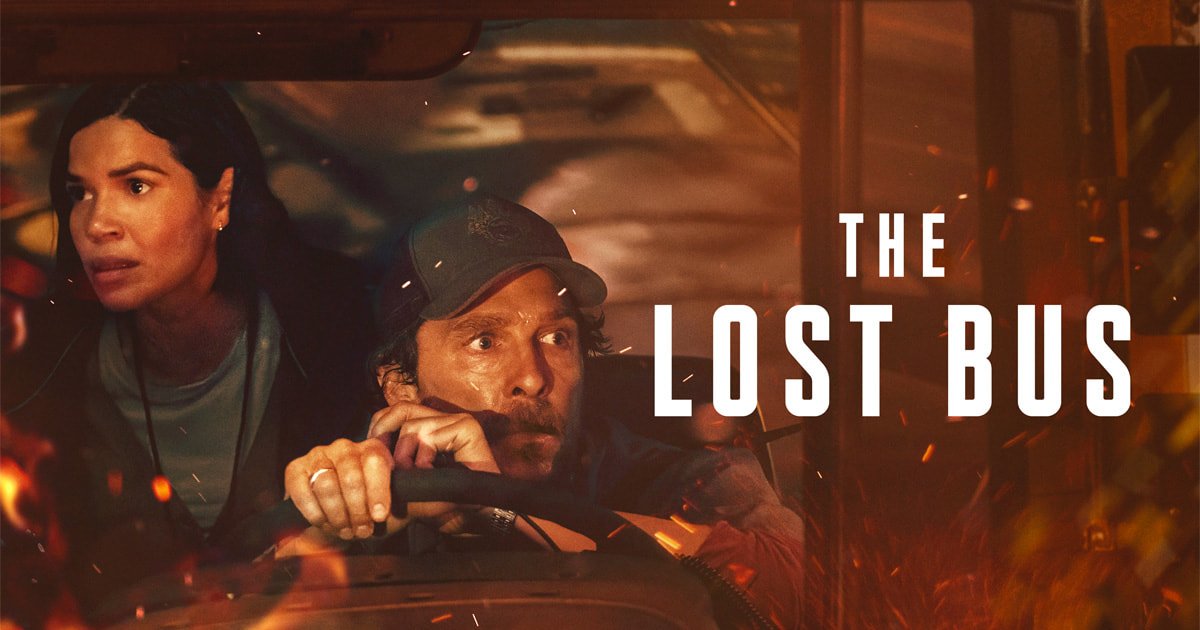
In the world of cinema, where stories of heroism and resilience captivate audiences, the latest offering from acclaimed director Paul Greengrass, “The Lost Bus,” stands out as a powerful and thought-provoking exploration of the human spirit in the face of unimaginable adversity. This Apple TV+ release, inspired by a true story, delves into the harrowing events of the 2018 Paradise, California wildfires, and the extraordinary actions of a school bus driver who risked everything to save the lives of over 20 children.
A Collaboration of Cinematic Visionaries
The journey behind “The Lost Bus” is as captivating as the film itself. Conceived by acclaimed actress Jamie Lee Curtis, who serves as the film’s producer, the idea was brought to life through a collaboration with the renowned production company Blumhouse. Curtis, recognizing the potential for a powerful narrative, entrusted the directorial reins to the masterful Paul Greengrass, known for his gritty, documentary-style approach to filmmaking.
Greengrass, whose previous works include the acclaimed “United 93” and the “Bourne” franchise, brought his unique cinematic vision to the table, blending the urgency of a documentary with the emotional depth of a character-driven drama. The casting of Matthew McConaughey and America Ferrera as the film’s lead actors further elevated the project, with their powerful performances capturing the essence of the real-life heroes they portray.
Capturing the Chaos and Heroism of the Paradise Wildfires
“The Lost Bus” delves deep into the harrowing events of the 2018 Paradise, California wildfires, which devastated the community and claimed the lives of 85 people. Greengrass, known for his meticulous attention to detail, utilized cutting-edge visual effects and a seamless integration of archival footage to transport the audience into the heart of the disaster.
The film’s opening sequences, depicting the rapid spread of the flames and the chaos that ensued, are nothing short of breathtaking. Greengrass’ use of CGI to recreate the scale and intensity of the wildfires is truly impressive, immersing the viewer in the sheer magnitude of the catastrophe. The director’s ability to balance the technical prowess of the visual effects with the emotional resonance of the human stories at the center of the narrative is a testament to his filmmaking mastery.
The Heroic Journey of Kevin and Samantha
At the heart of “The Lost Bus” are the stories of two unlikely heroes, Kevin (played by Matthew McConaughey) and Samantha (portrayed by America Ferrera), a school bus driver and a teacher who find themselves thrust into a life-or-death situation.
Kevin, a man grappling with personal struggles, receives a call to action when he is tasked with evacuating a group of children from a school that has become trapped by the raging wildfires. Samantha, the dedicated teacher, joins him on this perilous journey, determined to ensure the safety of her students. Together, they navigate the chaos of the disaster, facing daunting obstacles and making split-second decisions that will determine the fate of those in their care.
Greengrass’ masterful direction allows the audience to fully immerse themselves in the experiences of Kevin and Samantha, capturing the raw emotions, the sense of urgency, and the unwavering determination that drives them to heroic acts. The film’s pacing and tension-filled sequences keep viewers on the edge of their seats, as the characters confront the ever-changing challenges posed by the unfolding disaster.
Exploring the Complexities of Heroism
One of the standout aspects of “The Lost Bus” is its nuanced exploration of the concept of heroism. Greengrass subverts the traditional heroic archetype, presenting Kevin and Samantha as “accidental heroes” – ordinary individuals thrust into extraordinary circumstances, who rise to the occasion through sheer determination and a deep-rooted sense of responsibility.
The film delves into the personal struggles and vulnerabilities of the characters, humanizing them and making their heroic actions all the more compelling. Greengrass masterfully weaves these character-driven narratives into the larger tapestry of the disaster, creating a powerful juxtaposition between the individual’s journey and the collective struggle for survival.
Furthermore, the film’s examination of the decision-making processes and the challenges faced by the emergency responders adds an additional layer of complexity to the heroic narrative. The audience is given a glimpse into the chaos and the difficult choices that must be made in the face of such a catastrophic event, highlighting the nuances and the moral dilemmas that arise in the midst of a crisis.
The Emotional Impact and Cinematic Artistry
While “The Lost Bus” is undoubtedly a film about heroism and resilience, it also grapples with the emotional toll of such traumatic events. Greengrass’ direction, combined with the powerful performances of the cast, creates moments of profound emotional resonance that linger long after the credits roll.
The film’s use of melodramatic elements, however, has been a point of contention among critics. Some have argued that the director’s tendency to lean into emotional excess at times undermines the overall narrative, while others have found the emotional moments to be a necessary counterbalance to the film’s intense and harrowing sequences.
Regardless of one’s perspective on the melodramatic elements, it is undeniable that “The Lost Bus” is a visually stunning and technically impressive film. Greengrass’ mastery of cinematic language is on full display, with the seamless integration of archival footage, CGI, and intimate character moments creating a cohesive and immersive viewing experience.
The Legacy of “The Lost Bus”
In the aftermath of its world premiere at the Toronto International Film Festival, “The Lost Bus” has garnered significant attention and acclaim. The film’s ability to capture the human spirit in the face of adversity, while also shedding light on the devastating impact of the Paradise wildfires, has resonated with audiences and critics alike.
Beyond its cinematic merits, “The Lost Bus” has also sparked important conversations about the role of heroism in modern society. The film’s exploration of the “accidental hero” archetype challenges the traditional notions of heroism, encouraging viewers to reflect on the everyday acts of courage and selflessness that often go unnoticed.
As the film makes its way to the Apple TV+ platform, it is poised to reach a wider audience and continue its impact. The collaboration between Jamie Lee Curtis, Paul Greengrass, and the Blumhouse team has resulted in a cinematic triumph that not only entertains but also inspires and provokes deep contemplation.
Conclusion
“The Lost Bus” is a powerful and captivating film that stands as a testament to the resilience of the human spirit. Through its masterful storytelling, technical prowess, and nuanced exploration of heroism, the film leaves a lasting impression on the viewer, reminding us of the extraordinary acts of courage that can emerge from the most challenging of circumstances.
As you embark on your own cinematic journey with “The Lost Bus,” be sure to follow me on Instagram for more insights and discussions about the film.
Stay tuned for more captivating film commentary and analysis on my YouTube channel. I look forward to continuing this cinematic exploration with you.
Follow me on X (Twitter) for the latest updates and discussions.
Become a member of my YouTube channel to support my content and access exclusive perks.
About the Author