As the curtain falls on the epic saga of Vikings, fans are left with a bittersweet feeling. The series, created by the renowned Michael Hirst, has captivated audiences for six thrilling seasons, transporting us to the captivating world of Scandinavian raiders and their relentless quest for conquest, glory, and self-discovery. With the final chapter now unfolding, we find ourselves reflecting on the series’ remarkable journey and eagerly anticipating the future of the Vikings universe.
A Farewell to Ragnar Lothbrok and the Rise of a New Generation
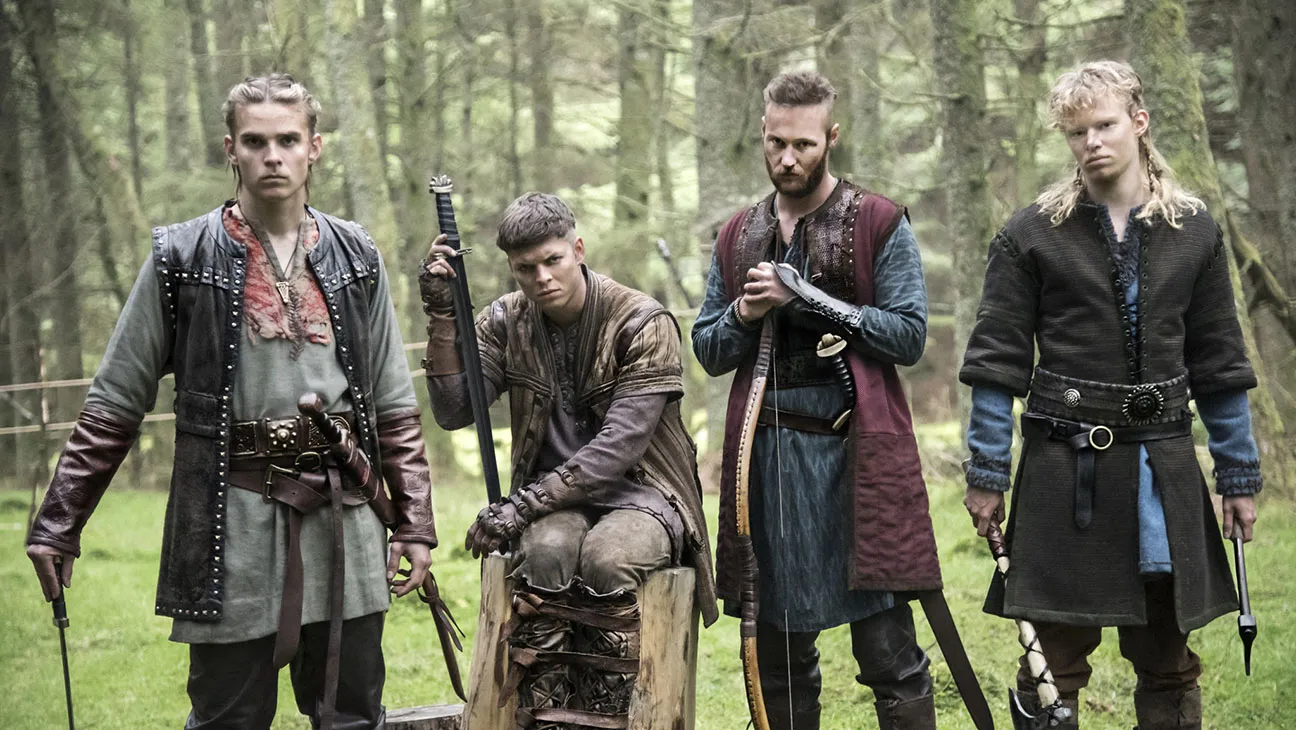
The departure of Travis Fimmel’s Ragnar Lothbrok, the series’ magnetic protagonist, marked a significant turning point in Vikings. The show’s focus shifted to the next generation, led by Ragnar’s sons, as they navigated the complexities of power, loyalty, and the pursuit of their own destinies. While the loss of Ragnar’s presence was palpable, the introduction of characters like Ivar the Boneless (Alex Høgh Andersen), Bjorn Ironside (Alexander Ludwig), and Ubbe (Jordan Patrick Smith) breathed new life into the narrative, allowing the series to evolve and explore the intricate dynamics of family, ambition, and the ever-changing tides of history.
As the series progressed, the audience witnessed the rise of these formidable characters, each with their own unique strengths, flaws, and personal quests. Ivar’s ruthless determination and tactical brilliance, Bjorn’s unwavering leadership and thirst for adventure, and Ubbe’s principled nature and search for a new world, all contributed to the rich tapestry of the show’s storytelling.
Navigating the Complexities of Power and Legacy
One of the hallmarks of Vikings has been its ability to delve into the complexities of power, legacy, and the consequences of ambition. The series has masterfully woven together the personal struggles and political machinations of its characters, creating a captivating exploration of the human condition amidst the backdrop of historical events.
As the final season unfolds, the characters find themselves grappling with the weight of their actions and the legacies they will leave behind. Figures like Ivar, who has long been driven by a thirst for power and control, now find themselves confronted with the realization that their quest for dominance may have come at a great personal cost. The series’ ability to humanize even its most ruthless characters, allowing the audience to empathize with their internal conflicts, is a testament to the show’s narrative depth.
Emotional Resonance and the Search for Meaning
Beyond the grand scale of battles and political intrigue, Vikings has consistently delivered moments of profound emotional resonance. The series has not shied away from exploring the characters’ inner turmoil, their search for purpose, and the personal sacrifices they make in the pursuit of their dreams and ideals.
As the final season progresses, the audience is treated to poignant scenes that delve into the characters’ existential questions and the legacies they hope to leave behind. Figures like Floki (Gustaf Skarsgård), who has long grappled with his own spiritual and philosophical quests, find themselves at a crossroads, forced to confront the consequences of their choices and the weight of their actions.
The series’ ability to balance the epic scale of its historical narrative with the intimate, emotional journeys of its characters is a testament to the show’s narrative mastery. By seamlessly weaving these elements together, Vikings has managed to captivate audiences, leaving a lasting impression and sparking discussions about the nature of power, identity, and the human experience.
Exploring the Conquest of a New World
As the final season of Vikings unfolds, the series introduces a new chapter in the saga – the conquest of a new world. The show’s exploration of the characters’ desire to expand their horizons and discover uncharted territories resonates with the audience, tapping into the universal human yearning for exploration and the pursuit of the unknown.
The journey of characters like Ubbe, who sets out to fulfill Ragnar’s dream of discovering a new land, adds a sense of adventure and discovery to the series’ narrative. The challenges they face, the alliances they forge, and the personal transformations they undergo as they navigate this new frontier, all contribute to the series’ continued relevance and ability to captivate its audience.
The introduction of this new chapter in the Vikings universe also sets the stage for the upcoming spin-off series, Vikings: Valhalla, which will continue the story a century after the events of the original series. This expansion of the franchise not only satisfies the audience’s thirst for more of the Vikings world but also promises to explore the lasting impact of the characters’ legacies and the continued evolution of Scandinavian culture and influence.
The Enduring Legacy of Vikings
As the final season of Vikings approaches its conclusion, it’s clear that the series has left an indelible mark on the television landscape. Through its meticulous attention to historical detail, its complex character development, and its ability to blend epic storytelling with intimate human drama, Vikings has become a cultural phenomenon that has captivated audiences around the world.
The series’ impact extends beyond the screen, as it has sparked renewed interest in Scandinavian history and culture. Fans have flocked to the show’s filming locations, immersing themselves in the rich tapestry of the Vikings universe. The series’ influence can also be seen in the growing popularity of Norse mythology, Viking-inspired fashion, and the ongoing fascination with the warrior culture of the Norsemen.
As the final chapter of Vikings unfolds, it’s clear that the series’ legacy will continue to resonate long after the credits have rolled. The characters, the stories, and the themes explored within the show have left an indelible mark on the hearts and minds of its audience, inspiring a new generation of fans to delve deeper into the captivating world of the Norsemen.
Embracing the Future of the Vikings Universe
As the final season of Vikings draws to a close, fans are left with a bittersweet feeling. While the series’ conclusion marks the end of an era, it also ushers in a new chapter in the Vikings universe. The upcoming spin-off series, Vikings: Valhalla, promises to continue the story, exploring the lasting impact of the characters’ legacies and the ongoing evolution of Scandinavian culture and influence.
For those who have followed the journey of Vikings from the beginning, the final season offers a poignant and emotional farewell to the characters they have come to love. But it also serves as a testament to the show’s enduring legacy, a testament to the power of storytelling, and a celebration of the human spirit’s resilience in the face of adversity.
As we bid farewell to the world of Vikings, we can take solace in the knowledge that the series’ impact will continue to be felt, inspiring new generations of fans and scholars alike. The characters, the stories, and the themes explored within the show have left an indelible mark on the television landscape, and their legacy will undoubtedly continue to captivate and inspire for years to come.
For those who want to delve deeper into the world of Vikings and explore the series’ impact, I recommend visiting our YouTube channel, where you can find additional analysis and insights into the series and other captivating films and series.
The series’ ability to balance epic storytelling with intimate human drama
The exploration of power, legacy, and the consequences of ambition
The emotional resonance and the characters’ search for meaning
The introduction of the conquest of a new world and the upcoming spin-off series
The enduring legacy of Vikings and its impact on popular culture
Encouragement to visit the author’s blog for more reviews and insights
About the Author